



All posts by Amy Kessler

Summer Savings on Your First Week of Instruction

Summer spots are filling fast! Enroll by April 10, 2026, and receive a 10% discount on the first week of summer instruction. Student must begin instruction after May 25, 2026.

Catch Up or Get Ahead

Instruction at Lindamood-Bell is always individualized to meet the needs of each student

Students who are currently struggling with reading, comprehension, or math need extra help to develop new skills or regain skills that have fallen behind before school starts. Some may benefit from an enrichment program to better advance in areas like writing, study skills, and test-taking.  

New to Lindamood-Bell?

If school is hard for your child, you need to know why and that there is help. Identifying strengths and weaknesses is the first step toward helping your child learn to their potential. A learning evaluation will uncover the strengths and weaknesses affecting your child’s learning. In a thorough results consultation, we will discuss an individualized learning plan to make school easier and more successful.

Some students come to us with a previous diagnosis such as dyslexia, autism spectrum disorder, or a general learning challenge. Some students seek our help to enhance their skills or to make learning easier. Whatever your child’s needs, Lindamood-Bell is ready and able to meet them.

You Can Count On Us This Summer

In just a few weeks, our Learning Center can help make your child feel more confident and prepared for school. Watch this family’s story of success to see how. Now more than ever, let us help your child catch up or get ahead.

Early Bird Discount valid for enrollments completed by April 10, 2026. Requires enrollment of at least 100 sessions or the student’s recommended minimum. Student must begin instruction after May 25, 2026.

Find the location near you to get started.

Solve the Math Struggle | On Cloud Nine Students Consistently Show Significant Gains


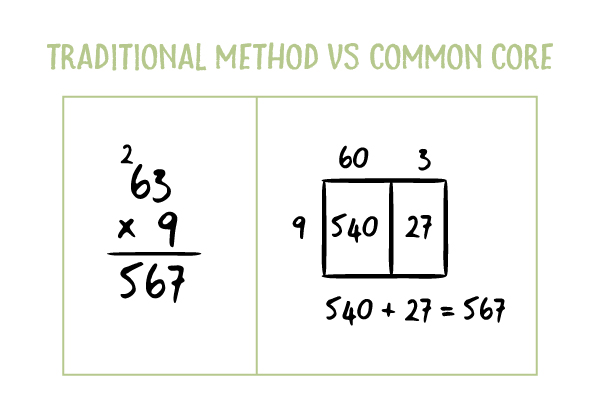
Developing Conceptual Math Understanding with On Cloud Nine Math

Live-Online or In Person


Difficulties in math often stem from gaps in conceptual understanding rather than a lack of effort. Lindamood-Bell addresses these challenges through On Cloud Nine® Math, an instructional program focused on helping students understand how math works.


“Now he is describing himself as a good math student again… He is back on track in math.” — A Lindamood-Bell Parent


On Cloud Nine Math provides explicit and systematic instruction that develops students’ understanding of numerical relationships, mathematical language, and problem-solving processes. Instruction is grounded in cognitive science and informed by decades of research in learning and instruction.


Lindamood-Bell’s approach is fundamentally different from tutoring. Instruction is supported by:

research and internal outcomes data, 

demonstrated pre- and post-assessment gains on math measures

and longstanding expertise in instructional program development.


Download a complimentary chapter from our On Cloud Nine program manual to preview the strategies and instruction that support student success.


As students gain conceptual understanding, they show measurable academic progress and increased confidence in their ability to learn and apply math.

Contact us to learn more!

Upcoming Conferences and Presentations

59th Annual Conference of the Virginia State Literacy Association


Date: March 4, 2026, at 9:45 a.m.

Location: Hotel Roanoke, Roanoke, VA

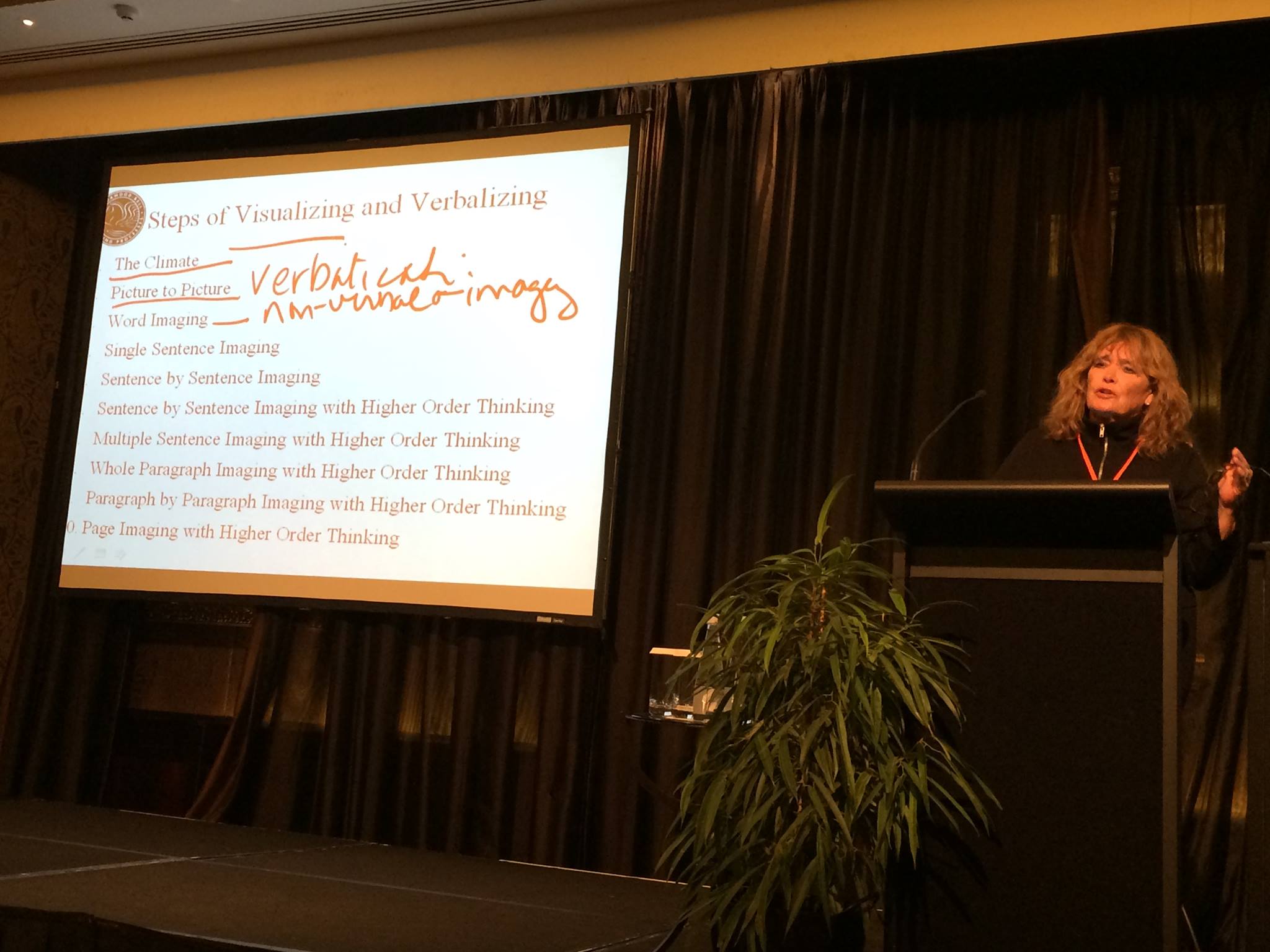
Presentation: Understanding Research on the Role of Imagery in Comprehension, and How to Develop Concept Imagery (K-8)

Presenter: Dave Kiyvyra, Director of Development for Lindamood-Bell For Schools

Description: This presentation will provide a summary of the historical and current research on the role of imagery in language comprehension and critical thinking. Educators will examine how weaknesses in Concept Imagery impact learners in the classroom and globally, and review data to make determinations of instructional needs and impacts. They will also discover and utilize pedagogical practices to develop Concept Imagery that are applicable in classrooms and small group settings. Educators will leave with knowledge of how these process-based instructional practices can be applied to Virginia standards.

Learn More

___________________________________________________________________

Massachusetts Conference for Special Education

Date: March 5, 2026, at 11:15 a.m. and March 6, 2026, at 9:30 a.m

Location: Hotel 1610, 180 Water St, Plymouth, MA 02360

Presentation: Driving Alignment in Literacy Instruction Across All Tiers to Stem Enrollment in Special Education

Presenter: Dave Kiyvyra, Director of Development for Lindamood-Bell For Schools

Description: Chicopee Public Schools in Massachusetts is experiencing a dramatic shift in their student demographics post-pandemic: simultaneous increases in special education referrals and English Learner Students. To meet the distinct needs of each student population with limited resources, the district leveraged paraprofessionals to provide intensive, tiered reading intervention. Chicopee built capacity in these educators by utilizing job-embedded professional development and a district-wide coach in partnership with Lindamood-Bell to foster instructional fidelity. We will examine the importance of sensory-cognitive functions in reading instruction and look at data to determine the impact of this instruction on both populations of students.

Visit our booth as well!

5 Signs of Reading Difficulty

5 Signs of Reading Difficulty


Parents often can see that their child is struggling with readingespecially if there is an older sibling or friend who seemed to, comparatively,  breeze through the process. It is not always so clear,   however, whether a child has a weakness that needs to be checked out, or if reading simply hasn’t “clicked” for them yet.


Students might avoid reading, or say they “are bad” at it, or even that they dislike it. While these concerns do need to be addressed and could be related to a real reading difficulty,  there are specific reading behaviors that every parent can look out for.


5 Signs of Reading Difficulty

Signs of Reading Difficulty

Check out the following symptoms that are typical of a reading weakness. Not sure about one? During homework tonight, have your child read grade-level text aloud to you.

1. Sounding out words is difficult

Some students have a difficult time decoding words, even if they are phonetically accurate. They might add or omit sounds. They might, for example,  read steam for stream.

2. Difficulty learning and retaining sight words

Many common words, like eye and thought “don’t play fair” so recognizing them is the only way to read them. And because they are common, they should be recognized quickly. A student who has difficulty may attempt to sound out common words, or may do a lot of guessing (e.g. purple for people).

3. Slow and laborious decoding skills

Phonics and phoneme awareness curricula are now commonplace in early education. While necessary, if over-emphasized, a struggling student can get mired down in sounding out every word—and not recognize the same word when they encounter it in the next paragraph.

4. Difficulty reading fluently in context

Some students may be able to sound out words but they are not able to put it all together on the page. This student’s reading is choppy; their lack of fluency might interfere with reading comprehension.

5. Poor spelling

Some students have difficulty including all of the needed phonemes(optnrty for opportunity); and some students can spell phonetically but cannot retain spelling patterns (opertunity for opportunity).


Help for Reading Challenges at Lindamood-Bell

Help for Reading Difficulty

If your child is currently showing one or more of these signs, there may be a weakness that is affecting reading skills. For many students, a cause of reading difficulties is weak symbol imagery: the ability to visualize letters in words. Learn more about symbol imagery and solutions for reading difficulties here.


Call 800-300-1818 or get in touch to learn more.


Dyslexia Awareness Month!

October is Dyslexia Awareness Month, and we are again sharing our belief that all individuals can be taught to learn to their potential—including those with a previous diagnosis of dyslexia.


View our video to learn more about how we help students with dyslexia learn to their potential.

Our Learning Center instruction is available in person and live-online—anytime, anywhere. Students receiving live-online and in-person instruction make comparable, significant gains in reading and comprehension performance, including students diagnosed with dyslexia.


Our Experience and Results

For nearly four decades, Lindamood-Bell has worked with thousands of individuals. Our success with students is due to our unique approach and evidence-based, sensory-cognitive instruction.

The Seeing Stars® program addresses the learning needs of students with dyslexia. Seeing Stars develops symbol imagery, the ability to visualize letters in words. Symbol imagery is integral to independence in sounding out new words, recognizing common words, spelling, and fluent contextual reading. 


Students with a Prior Dyslexia Diagnosis Who Received Decoding Instruction Only

Average Age: 10.2

Average Hours of Instruction:  121.6

Number of Students: 2,483

On average, students with a prior dyslexia diagnosis who received Seeing Stars instruction achieved significant improvements in reading. They made large (statistically significant) standard score changes on seven of nine measures. (Vocabulary was not a targeted measure of instruction.) The 20-point percentile increase in Word Recognition put these students well within the normal range (25th–75th percentile). The large average standard score change in Paragraph Reading Accuracy should also be noted.


Students with Dyslexia and Live-Online Instruction

The following comparative growth analysis shows statistically significant mean gains for students with dyslexia who received Lindamood-Bell sensory-cognitive in-person and live-online instruction from 2017 to 2025,  including all students who received instruction during the pandemic. The gains of students who have received live-online instruction are comparable in growth to those of in-person students. The standard score gains for both populations are large.

Summary

Lindamood-Bell Program Implemented: Seeing Stars

Years: 2017-August 2025

Number of Students: In-Person Students n=1,255 Live-Online Students n=383

Average Age: In-Person Students: 10 Live-Online Students: 11.1

Average Instruction Hours: In-Person Students: 126.1 Live-Online Students: 124.7

Within the decoding-only category, students diagnosed with dyslexia were measured for both progress and comparison. Other than vocabulary, both populations achieved medium to large standard score gains (eight of nine measures). Live-online and in-person students tested statistically significantly higher on post-instruction on all measures. 

Results from an ANOVA statistical test of comparative significance (p<.05) indicate that Symbol Imagery, Phonemic Awareness, Word Attack, Word Recognition, Rate, Fluency, and Vocabulary (seven of nine measures) were comparable in growth between the two populations.


Is Dyslexia Permanent?

Researchers from the Institute for Learning and Brain Sciences, University of Washington, have published peer-reviewed research on dyslexia that explores how intensive intervention drives the growth of reading skills in struggling readers.

Dr. Jason Yeatman, one of the study’s researchers, says that although dyslexia is often considered permanent, the findings indicate that the targeted, intensive instruction leads to “substantial” improvements in reading skills and changes in the “underlying wiring of the brain’s reading circuitry.”

Read more here.

Improved symbol imagery changes how students read and spell, regardless of their ages or their struggles with literacy—including students with dyslexia. Numerous peer-reviewed articles based on studies examining the effectiveness of Lindamood-Bell instruction with dyslexic students have been published in scholarly journals – Summary of Behavioral & Neurological Research—Dyslexia


Dyslexia Webinar

View our webinar titled Remediating the Dyslexic Brain: Neuroscience, Research, and Solutions for Recovery. Lindamood-Bell’s Director of Research and Development, Paul Worthington, discusses common dyslexia misconceptions, proven interventions, and the latest research.

With our live-online instruction that is available anywhere, your location is not an impediment to getting help with learning.

For further information or questions, please contact us at 800.300.1818.


A Summer Full of Learning, Growth & Confidence!


Your child deserves school success, whether they need to catch up, hone skills, or get ahead. Lindamood-Bell offers instruction for reading, comprehension, and math tailored to your child’s needs.

Your child can attend in-person or online, and recent research shows that our virtual students achieve statistically similar gains compared to in-person students.

Students often gain years in weeks with engaging, research-backed instruction.


Watch Lindamood-Bell Learning Center student Alyssa reflect on her learning journey. Now a successful college freshman, she was once a struggling elementary school student.


Enjoy Early Bird savings of 10% off the first week of summer instruction

when you enroll for at least 100 sessions of instruction or the student’s minimum recommendation. Enroll by 31 October 2025 to secure your savings.


Contact us to find out more about changing learning this summer.

Double Bay (02) 9328 7119 


How to Recognize Comprehension Weakness | Tips for Parents

5 Signs of Comprehension Weakness


Students with decoding issues, including dyslexia, can be easy to spot. They often miscall words (e.g., breakfast as “basket”); their oral reading is slow and “choppy;” and, spelling is tough to master. It is important to identify these students who struggle, so they can get the help they need.


Unfortunately, there are many students who have a different, separate, learning issue that is rarely identified and, therefore, never addressed. Hidden in plain sight, many students have a learning weakness that prevents them from fully understanding the language they read and hear. For example, a student who doesn’t turn in homework assignments may be perceived as “unmotivated” or “lazy.” But it may just be that he has trouble understanding instructions in class.


A primary cause of language comprehension problems is difficulty creating mental images for language. This weakness causes individuals to get only “parts” of information that they read or hear, but not the whole. This weakness often undermines the reading and thinking process. Students with weak language comprehension are commonly saddled with the misconceptions that they are just not trying, or that they are distractible. In fact, they may be trying very hard to memorize everything they have heard or read. And they need help.


Signs of Comprehension Weakness

sings of comprehension problems


1. Trouble understanding what they read

Students with weak comprehension have difficulty recalling what they’ve read. They might get parts, or some details, but may have difficulty remembering a book or story as a whole. Homework and schoolwork relying on their understanding of the text will be difficult.  These students may not enjoy reading for pleasure. 


2. Weak problem-solving skills

Students with weak comprehension can be prone to poor decision-making. Thinking through the implications and consequences of their actions may be challenging. Because they are only processing parts, they may not “see” the big picture.

They also may have difficulty with problem-solving methods required in math and science.


3. Writing assignments are “painful” and poorly done

Many students with language comprehension weakness may also have poor writing skills because they lack the imagery for the gestalt (whole). Without the “big picture” idea for a topic, a student will have a hard time constructing a strong paragraph. The ability to generate the main idea, offer supporting details, make inferences, and wrap up with a conclusion that is cohesive and well organized is challenging for this student.


4. Verbal expression is affected

This student may be prone to including irrelevant details or issues when speaking; he or she also may re-tell stories out of sequence. On the other hand, this student may be very quiet and shy. Whether this student talks very little or a lot, the language seems disconnected from the listener.


5. Difficulty following directions

Students with a comprehension issue can become overwhelmed after more than one or two directions (“I’ll meet you at the car. Bring your tennis shoes. . .”). Directions from teachers and parents may appear to go in one ear and out the other, without a connection, and students seem unable to focus on what they are told.


Solutions for Comprehension Problems at Lindamood-Bell

help for comprehension weakness

The imagery-language connection can be developed as a foundation for comprehension and thinking. Students can make years of academic growth in just a few weeks and go back to school ready to learn.


An accurate learning ability evaluation is the first step toward helping your child learn to their potential. We uncover the strengths and weaknesses that are affecting school, and in a thorough results consultation, we will discuss a learning plan to change learning in the shortest time possible. Recommendations are differentiated based on the unique learning needs of each student.


Call 800-300-1818 or get in touch to discuss how we can help make this school year easier! 

Homework 101: Tips for Better Study Skills

Homework-101-Blog-Cover-2

As a parent, you know the importance of completing homework and strong study skills, yet many kids don’t know where to begin. To avoid the constant nagging, battles, and lost papers, it’s time to get your kids organized. After all, there’s no reason for both you and your kids to dread school.


Here’s how to help them hit the books and develop good study habits for a successful school year:


1. Start Strong


Make sure your child understands the directions for every assignment and/or task and takes the time to complete homework accurately. Have her read through written directions before beginning to work. Does she understand what she needs to do? Ask her, “What does that look like?” or “What do you picture for that?” For example, if the assignment is to read Chapter 2 of her history textbook, take notes on what she’s reading, and then answer the questions at the end of the chapter, make sure she is creating an image for each of these tasks. If not, she may miss an important piece of information and not receive full credit for the assignment. Also, remind your kids that school is not a race! The first one done with homework does not get a prize. The real prize is learning! Encourage your children to read carefully and think through their answers.


2. Encourage questions


Have your child ask questions if they aren’t sure what they are supposed to do or what is expected of them. Remind your child that it is always okay to clarify directions or check for understanding with their teacher. It’s better to ask a question and fully understand than it is to guess and complete work incorrectly. However, if you notice your child continues to struggle with understanding even after talking with his teacher, there could be a comprehension weakness interfering with his understanding.


3. Spend time on vocabulary


Before diving into new material, check on your child’s understanding of key vocabulary words. When she encounters an unfamiliar word, work with her to develop a mental picture for it. For example, rather than jumping to memorizing the definition of photosynthesis, ask her questions like, “What are you picturing for the sunlight? What do you see happening?”


To commit new terms to memory, flashcards are a great tool for practice. Have your child write the word on one side of the card. The other side should include the definition, a hand drawn picture, and a brief sentence using the word in context.


During practice, use language that prompts her to draw on her images. Instead of, “Do you remember the steps of photosynthesis?” ask, “What are you picturing for photosynthesis?” and “What do you see happening next?” If a term is unstable, flip over the card for her definition and drawing to discuss. Create piles for her “fast,” “medium,” and “slow” cards to help focus practice sessions.


4. Establish a steady pace


Make sure your child divides her studying time over a number of days, rather than leaving it all for the night before. Also, have your kids stay on top of homework—slow and steady progress throughout the year is a good way to prepare for tests. Trying to cram for a test the night before isn’t effective. It’s important that your child practices the imaging techniques he’s been working on while studying in order to apply to the content being covered on the exam.


5. Organize for efficient study sessions


Easy access to their review materials—practice tests, homework assignments, sample problems, the textbook, and class notes—will allow for a much less stressful study session. For example, have her put the main ideas/information/formulas onto a sheet that can be quickly reviewed. Make sure she is creating images for the key concepts, such as dates, names, places, new vocabulary, etc., that will be on the test to help with her understanding and recall.


We hope homework time is battle-free for your family this school year. If your child needs more help, check out Homework Matters at your Lindamood-Bell Learning Center. Homework Matters is supervised homework help, 1-4 afternoons per week. We create an environment that motivates and focuses students on getting their homework done. Our skilled instructors take the struggle out of homework for families by helping students get their work done. We can answer your child’s questions and assist when necessary. Homework Matters is available at our learning centers or online.

If you would like further information or have questions regarding your child’s language comprehension skills, please contact the learning center at 800.300.1818.

This Summer You Can Count On Lindamood-Bell

Mason’s mom wanted to get help right away when she saw that her son was struggling in school. 

Lindamood-Bell instruction not only improved his reading ability but also his confidence and self-esteem. Watch her describe her son’s learning journey. 


When school’s out, your family can count on Lindamood-Bell to help your child meet their amazing potential!

Lindamood-Bell can provide your child with the right amount of effective, fun, evidence-based instruction that will help them go back to school with better skills and new confidence.


Balance Learning and Fun This Summer

Every summer, we help kids of all ages and abilities catch up or get ahead in reading, comprehension, and math. We are uniquely prepared to help kids catch up and thrive—our instructional expertise and dynamic instruction set us apart! Students can make years of academic gain in a matter of weeks. 


Proven effective for students with learning challenges

Our evidence-based instruction is proven effective for students with challenges that affect learning, including dyslexia, autism, and ADHD. 


Engaging Instruction

Our energetic instructors use strategies and incentives that keep students engaged throughout sessions. Spots are filling fast.


Call your Learning Center now to schedule:

Double Bay (02) 9328 7119  ~ Chatswood (02) 9410 1006


Summer Savings on Your First Week of Instruction!


Summer spots are filling fast! Enroll by December 23, 2024, and receive a 10% discount off the first week of instruction. Instruction must be completed by January 31, 2025


Catch Up or Get Ahead

Instruction at Lindamood-Bell is always individualized to meet the needs of each student

Students who are currently struggling with reading, comprehension, or math need extra help to develop new skills or regain skills that have fallen behind before school starts. Some may benefit from an enrichment program to better advance in areas like writing, study skills, and test-taking.  


New to Lindamood-Bell?

If school is hard for your child, you need to know why and that there is help. Identifying strengths and weaknesses is the first step toward helping your child learn to his or her potential. A learning evaluation will uncover the strengths and weaknesses that are affecting your child’s learning. In a thorough results consultation, we will discuss an individualized learning plan to make school easier and more successful.

Some students come to us with a previous diagnosis such as dyslexia, autism spectrum disorder, or a general learning challenge. Some students seek our help to enhance their skills or to just make learning easier. Whatever your child’s needs, Lindamood-Bell is ready and able to meet them.


You Can Count on Us This Summer

In just a few weeks, our Learning Center can help make your child feel more confident and prepared for school. Watch this family’s story of success to see how. Now more than ever, let us help your child catch up or get ahead.


Receive a 10% discount off the first week of instruction when you enroll by December 23, 2024, for a minimum of 100 sessions or the student’s minimum recommendation. Instruction must be completed by January 31, 2025.

Contact us to get started.

Double Bay (02) 9328 7119  ~ Chatswood (02) 9410 1006