
The Benefits of Reading Every Day
The benefits of reading every day are numerous, impacting various aspects of life for individuals of all ages. Whether your student is immersed in fiction, non-fiction, or poetry, consistent reading enriches their learning experience. The more they read, the more they expand their vocabulary, sharpen their comprehension skills, and gain a deeper understanding of…

When Should Kids Start Reading? Age Guidelines, Readiness Signs, and How to Help
In this guide, we’ll explore typical reading milestones, signs of reading readiness, and ways families and educators can support reading development while drawing on Lindamood-Bell’s decades of experience developing the sensory-cognitive skills that underlie literacy. Key Takeaways Many children begin learning to read during kindergarten and first grade, with fluency and comprehension continuing to develop…
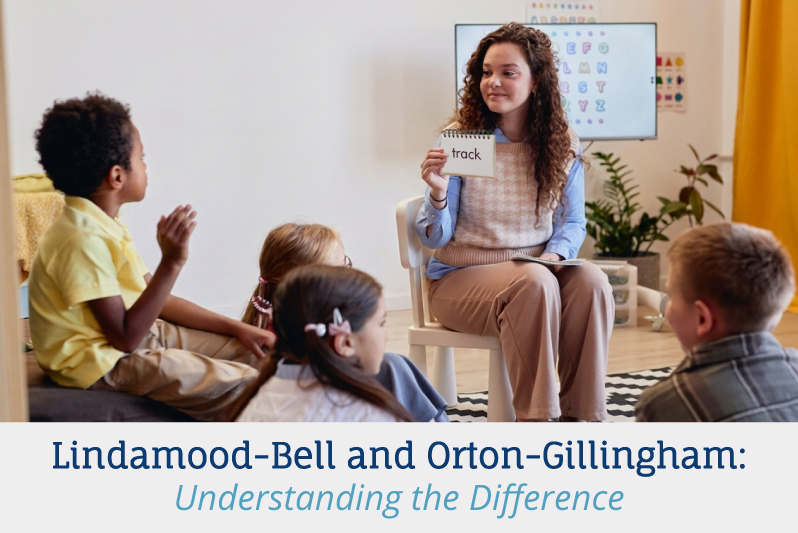
Lindamood-Bell and Orton-Gillingham | Understanding the Difference
Families and educators comparing Lindamood-Bell and Orton-Gillingham are often looking for the right approach to support reading and language development, whether for individualized instruction, school-based intervention, or professional development. Both provide explicit, systematic instruction, actively engage students in the learning process, and align with the principles of Structured Literacy. Both also develop foundational reading…

5 Key Strategies for Effective Reading Intervention at Your School
Since 1986, Lindamood-Bell has partnered with educators and school systems to boost student achievement through professional development and evidence-based reading intervention. As an industry leader, we have helped struggling readers, including students with dyslexia, make meaningful gains in reading skills. Over the years, our collaborations have revealed key lessons and effective strategies for launching successful…
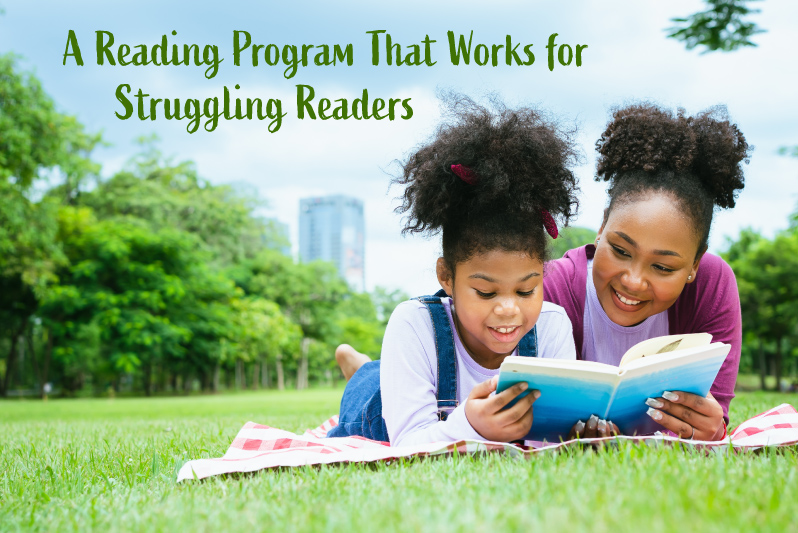
A Reading Program That Works for Struggling Readers
Reading is a foundational skill that not only shapes academic achievement but also a student’s confidence and self-esteem. At Lindamood-Bell, we believe that all individuals can learn to read and comprehend to their potential. Our instruction for struggling readers is based on programs authored by our founders. It offers a personalized, evidence-based approach that…
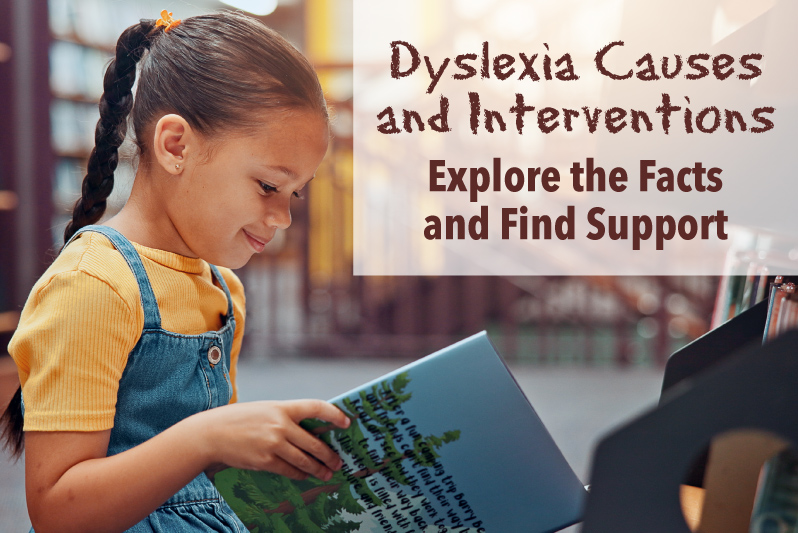
Dyslexia Causes and Interventions | Explore the Facts and Find Support
Understanding the causes of dyslexia helps parents and educators make informed decisions about effective, evidence-based support. What Is Dyslexia? Dyslexia is a specific learning disability characterized by difficulties in word reading and/or spelling that involve accuracy, speed, or both and vary depending on the orthography of the English language. These difficulties occur along a…
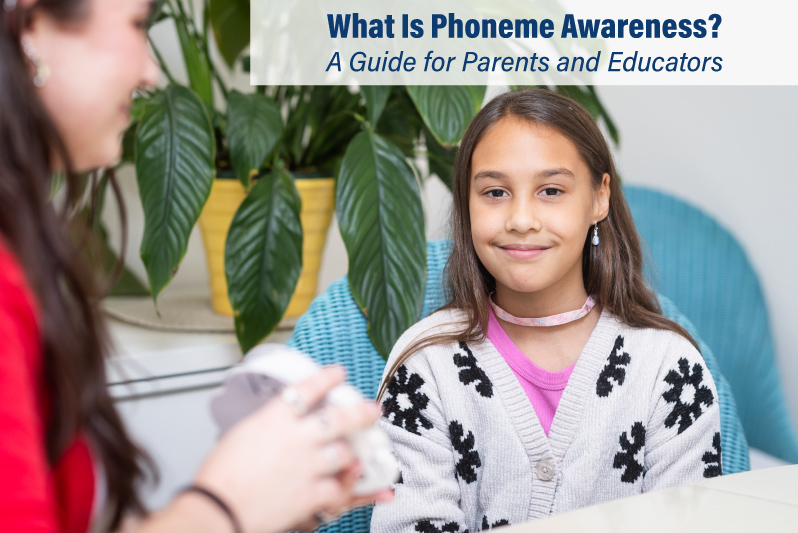
What Is Phoneme Awareness? A Guide for Parents and Educators
Phoneme awareness is an important component of reading and language development, but it is not reading itself. To understand phoneme awareness, it is helpful to first understand how reading works. Reading is an integration of multiple processing skills, including word attack, sight word recognition, contextual reading fluency, oral vocabulary, and comprehension. Successful reading requires…

Support for Dyslexia and Other Reading Disorders
Understanding the Signs of Reading Disorders and Finding Effective Help If your child is struggling with reading, you’re not alone, and early support can make all the difference. It’s common for parents to wonder whether their child is just taking longer to catch on, or if something deeper, like dyslexia or another reading…
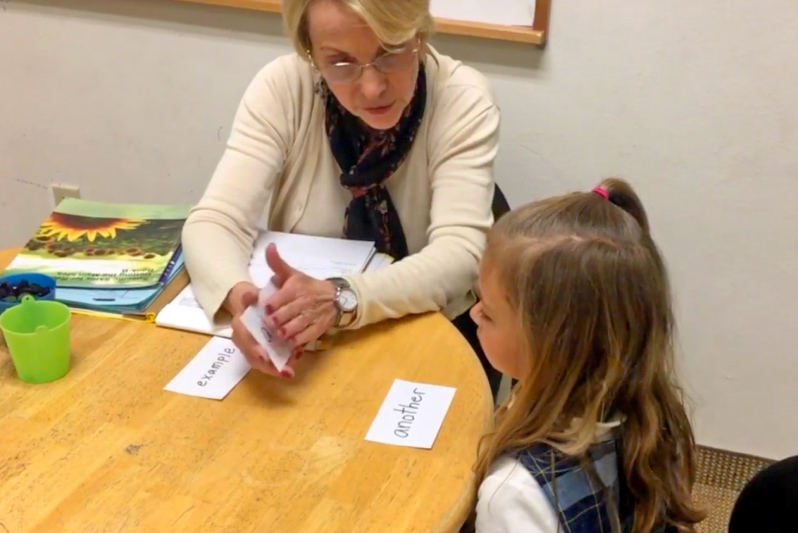
The Science of Learning | Lindamood-Bell’s Approach to the Science of Reading
The Science of Reading and Lindamood-Bell Lindamood-Bell goes beyond the Science of Reading by incorporating the Cognitive Science of Learning, embracing the brain-based codes of learning beyond written language. Our approach emphasizes sensory-cognitive skills—symbol imagery (orthographic processing) and concept imagery (mental representations)—essential for decoding, fluency, and oral and written language comprehension. Though overlooked in the…

Prevent Learning Loss with Our Summer Tutoring Program for Reading and Math
When school resumes in the fall, many students return with gaps in their learning, having forgotten some of the material they mastered earlier in the year. Extended time away from school can result in measurable learning loss, particularly in critical subjects like reading and math. However, imagine your child returning to school in the fall…