
A Summer Full of Learning, Growth & Confidence!
Your child deserves school success, whether they need to catch up, hone skills, or get ahead. Lindamood-Bell offers instruction for reading, comprehension, and math tailored to your child’s needs. Your child can attend in-person or online, and recent research shows that our virtual students achieve statistically similar gains compared to in-person students. Students often gain…
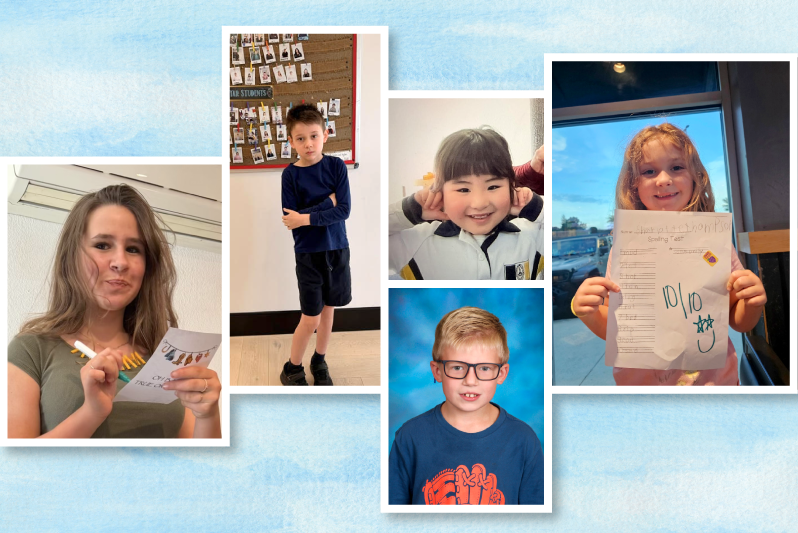
Student Success Stories: When Learning Begins to Change
Watching your child struggle with learning can be hard, and it’s not always easy to know what kind of help will actually make a difference. At Lindamood-Bell, we are committed to providing individuals with the opportunity to learn to their potential. Our instruction is personalized to address each student’s learning needs, with the goal of…
More Than Phonics: What Makes Lindamood-Bell Different
10 am PT | 1 pm ET | 6 pm BST For many families, phonics is one of the first places they turn when a child struggles to read. But what happens when phonics instruction has been tried, and reading is still difficult? In this free webinar, More Than Phonics: What Makes Lindamood-Bell Different,…

When Should Kids Start Reading? Age Guidelines, Readiness Signs, and How to Help
In this guide, we’ll explore typical reading milestones, signs of reading readiness, and ways families and educators can support reading development while drawing on Lindamood-Bell’s decades of experience developing the sensory-cognitive skills that underlie literacy. Key Takeaways Many children begin learning to read during kindergarten and first grade, with fluency and comprehension continuing to develop…
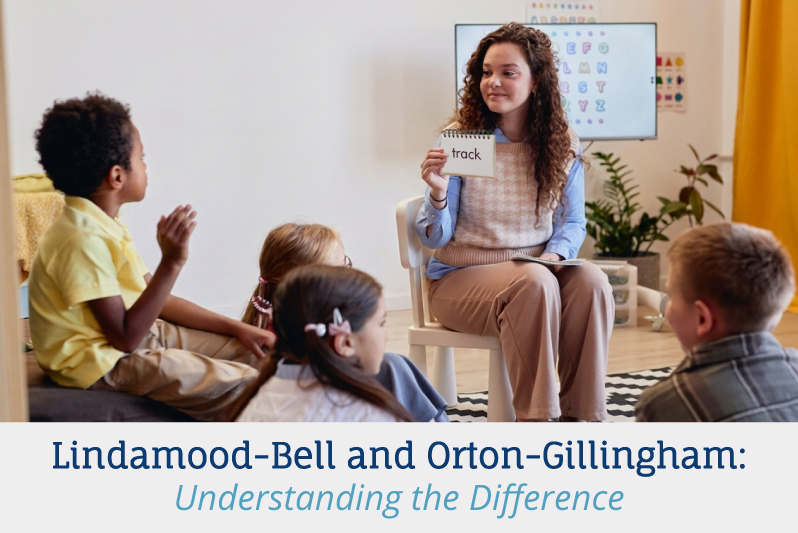
Lindamood-Bell and Orton-Gillingham | Understanding the Difference
Families and educators comparing Lindamood-Bell and Orton-Gillingham are often looking for the right approach to support reading and language development, whether for individualized instruction, school-based intervention, or professional development. Both provide explicit, systematic instruction, actively engage students in the learning process, and align with the principles of Structured Literacy. Both also develop foundational reading…
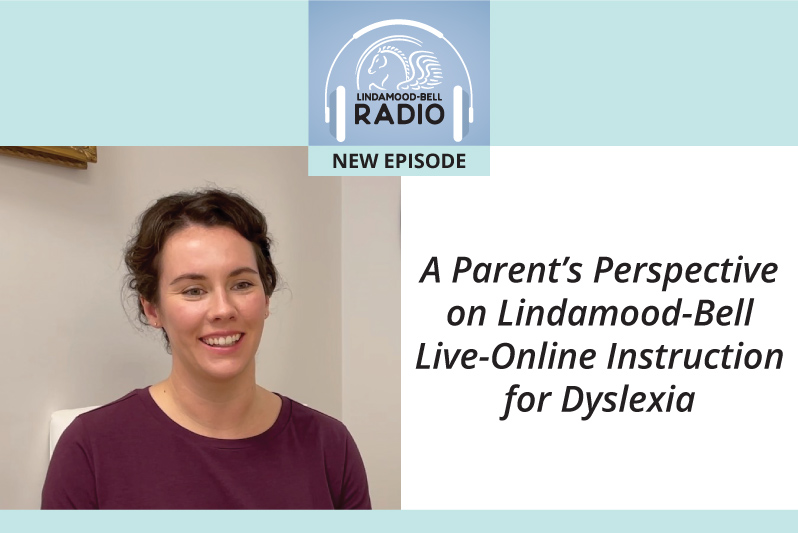
A Parent’s Perspective on Lindamood-Bell Live-Online Instruction for Dyslexia | Lindamood-Bell Radio
A mom describes how Lindamood-Bell helped her son with dyslexia. He received online and in-person reading instruction at our Learning Center. At Lindamood-Bell, we develop the imagery-language foundation for reading, spelling, language comprehension, math, memory, and critical thinking.
Online Instruction That Actually Works: Outcomes, Evidence, and What It Really Looks Like
The Truth About Online Learning Might Surprise You Many families hear the words online learning and immediately think back to the frustration of COVID. We understand why. For many students, those experiences meant sitting in large Zoom classrooms, struggling to stay engaged, and receiving little individualized support. But that’s not what Lindamood-Bell online instruction looks…
Lindamood-Bell Names San Luis Obispo Learning Center as Flagship Location; Announces Emily Hoffman as Director
For more than 40 years, Lindamood-Bell’s San Luis Obispo Learning Center has been at the heart of the organization’s mission to change lives through learning. As Lindamood-Bell’s first Learning Center and home to its corporate headquarters, it has now been designated as the organization’s official Flagship Learning Center. The company also announced the appointment of…
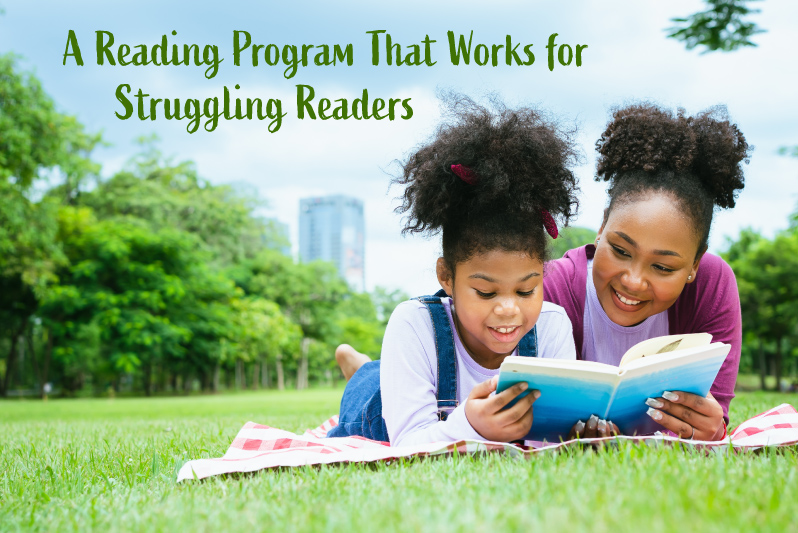
A Reading Program That Works for Struggling Readers
Reading is a foundational skill that not only shapes academic achievement but also a student’s confidence and self-esteem. At Lindamood-Bell, we believe that all individuals can learn to read and comprehend to their potential. Our instruction for struggling readers is based on programs authored by our founders. It offers a personalized, evidence-based approach that…
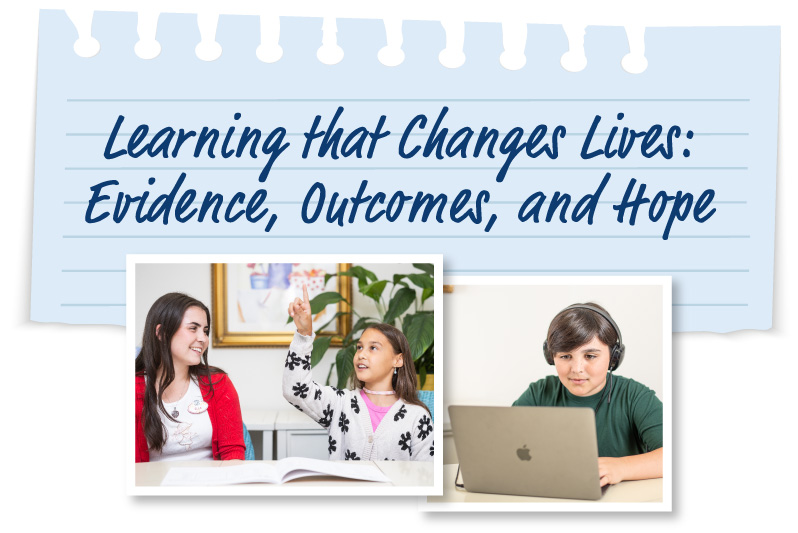
Why Some Students Thrive in Smaller Learning Environments
While many students do well in traditional classrooms, others need something more individualized to fully develop their potential. For these students, a smaller learning environment can provide the personalized support, flexibility, and confidence they need to succeed. Students who may benefit from a smaller learning environment include those who: Struggle to keep pace in larger…