



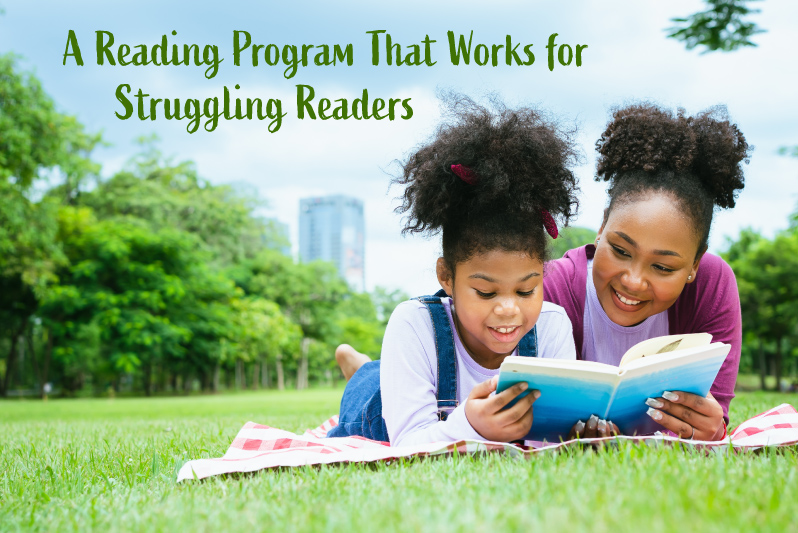
A Reading Program That Works for Struggling Readers
Reading is a foundational skill that not only shapes academic achievement but also a student’s confidence and self-esteem. At Lindamood-Bell, we believe that all individuals can learn to read and comprehend to their potential. Our instruction for struggling readers is based on programs authored by our founders. It offers a personalized, evidence-based approach that…
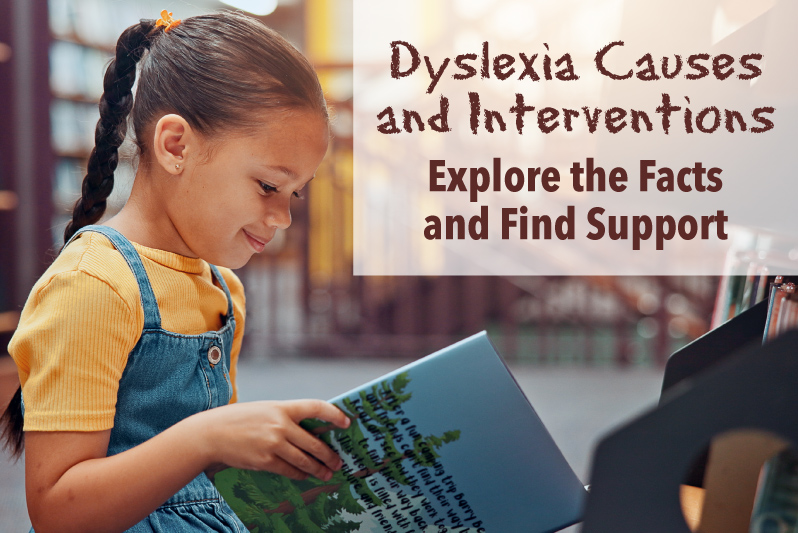
Dyslexia Causes and Interventions | Explore the Facts and Find Support
Understanding the causes of dyslexia helps parents and educators make informed decisions about effective, evidence-based support. What Is Dyslexia? Dyslexia is a specific learning disability characterized by difficulties in word reading and/or spelling that involve accuracy, speed, or both and vary depending on the orthography of the English language. These difficulties occur along a…
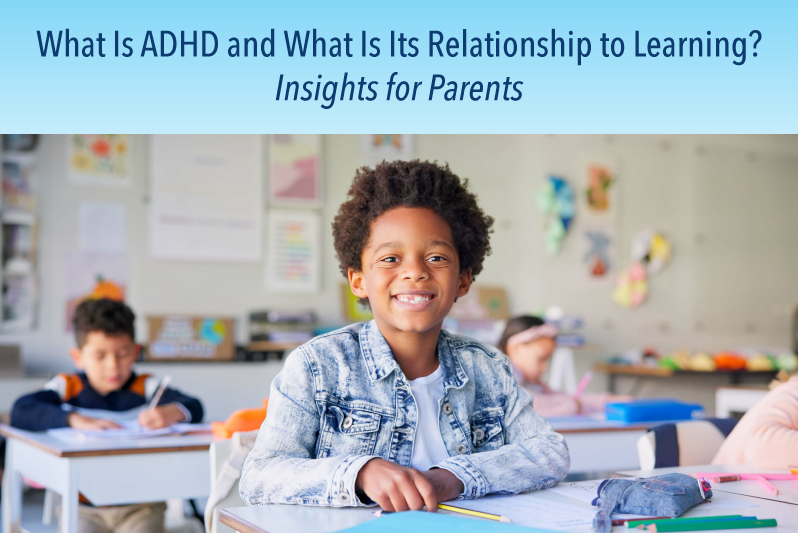
What Is ADHD and What Is Its Relationship to Learning? Insights for Parents
Attention-Deficit/Hyperactivity Disorder (ADHD) is a neurodevelopmental condition that affects both children and adults, often presenting as persistent patterns of inattention, hyperactivity, and impulsivity, all of which may impact learning. Specifically, ADHD can further complicate learning to read and comprehend. Individuals with ADHD often face challenges in maintaining focus, completing tasks, and managing impulses, impacting…
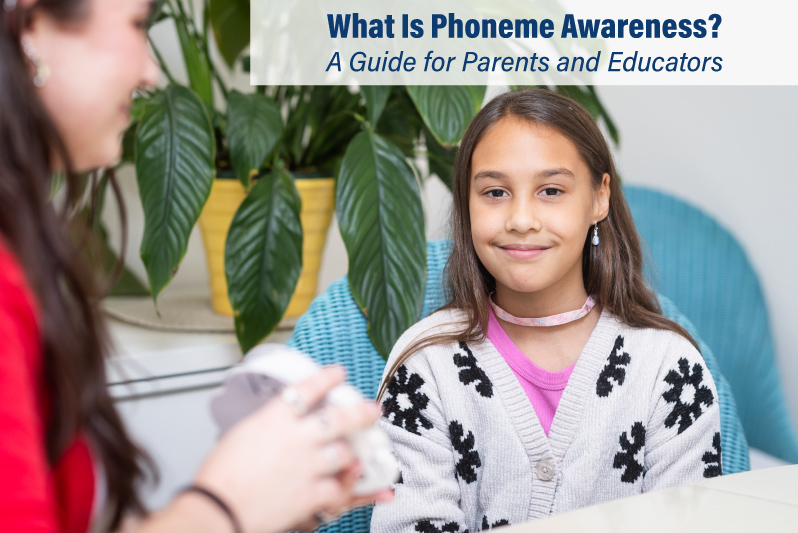
What Is Phoneme Awareness? A Guide for Parents and Educators
Phoneme awareness is an important component of reading and language development, but it is not reading itself. To understand phoneme awareness, it is helpful to first understand how reading works. Reading is an integration of multiple processing skills, including word attack, sight word recognition, contextual reading fluency, oral vocabulary, and comprehension. Successful reading requires…
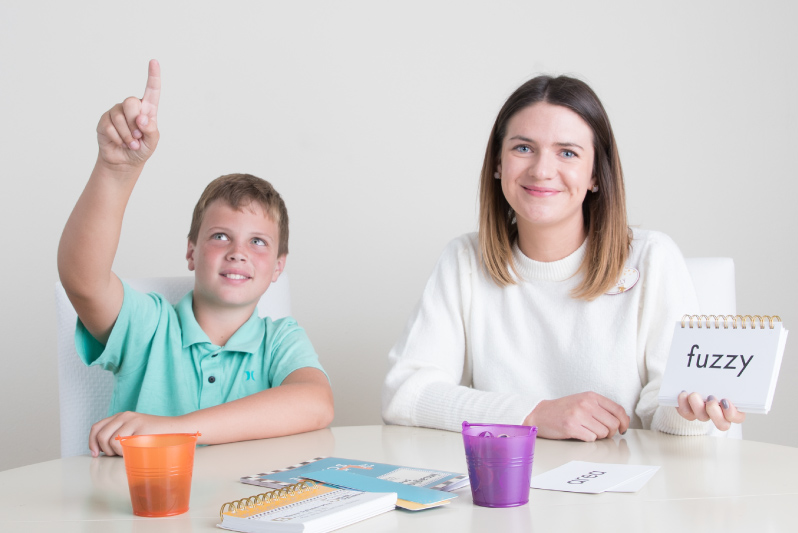
Support for Dyslexia and Other Reading Disorders
Understanding the Signs of Reading Disorders and Finding Effective Help If your child is struggling with reading, you’re not alone, and early support can make all the difference. It’s common for parents to wonder whether their child is just taking longer to catch on, or if something deeper, like dyslexia or another reading…
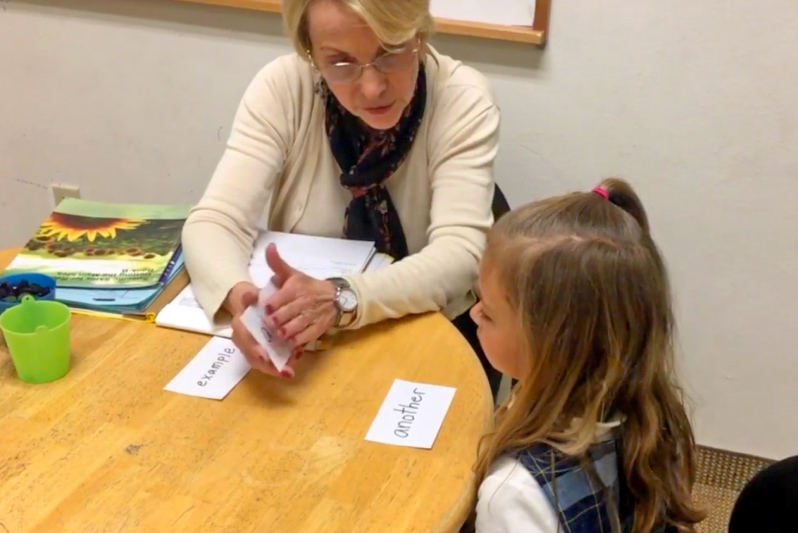
The Science of Learning | Lindamood-Bell’s Approach to the Science of Reading
The Science of Reading and Lindamood-Bell Lindamood-Bell goes beyond the Science of Reading by incorporating the Cognitive Science of Learning, embracing the brain-based codes of learning beyond written language. Our approach emphasizes sensory-cognitive skills—symbol imagery (orthographic processing) and concept imagery (mental representations)—essential for decoding, fluency, and oral and written language comprehension. Though overlooked in the…

Prevent Learning Loss with Our Summer Tutoring Program for Reading and Math
When school resumes in the fall, many students return with gaps in their learning, having forgotten some of the material they mastered earlier in the year. Extended time away from school can result in measurable learning loss, particularly in critical subjects like reading and math. However, imagine your child returning to school in the fall…
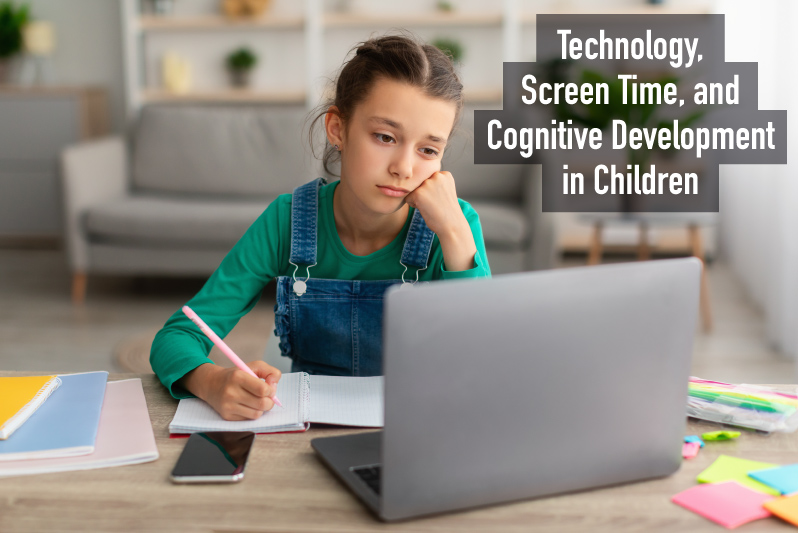
Technology, Screen Time, and Cognitive Development in Children
Human Interaction vs. Technology in Learning At Lindamood-Bell Learning Processes, our instructional model is deeply rooted in evidence showing the optimal ways children achieve cognitive development. Research increasingly supports the view that children develop language, literacy, and executive functions best through rich human interaction rather than excessive screen time. Our founders and long-time colleagues have…
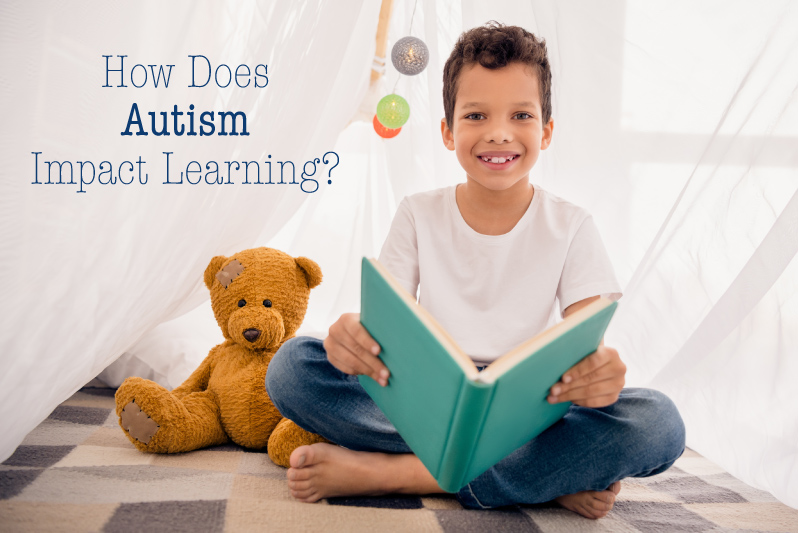
How Does Autism Impact Learning?
Understanding how autism impacts learning is essential for creating an inclusive educational environment. Autism Spectrum Disorder (ASD) presents unique challenges and strengths that can influence a student’s ability to learn. While some individuals with autism excel in specific areas, they may encounter obstacles in others, affecting their engagement and progress in traditional learning settings. By…
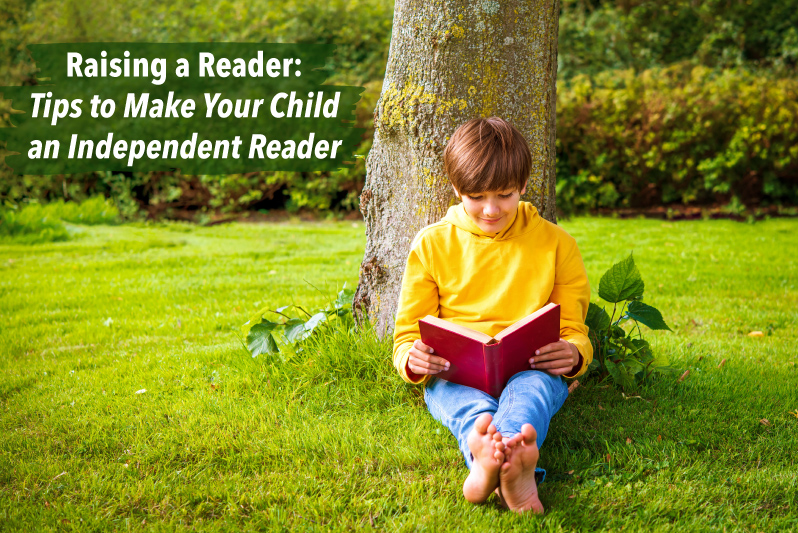
Raising a Reader: Tips to Make Your Child an Independent Reader
Helping your child become an independent reader supports learning, confidence, and curiosity. At Lindamood-Bell, independence in reading means more than recognizing words. An independent reader understands what they read, monitors accuracy, and approaches text with purpose and a sense of joy. These abilities support success in school and life. This guide reflects Lindamood-Bell’s 40 years…