


Making a Difference for California’s Struggling Readers
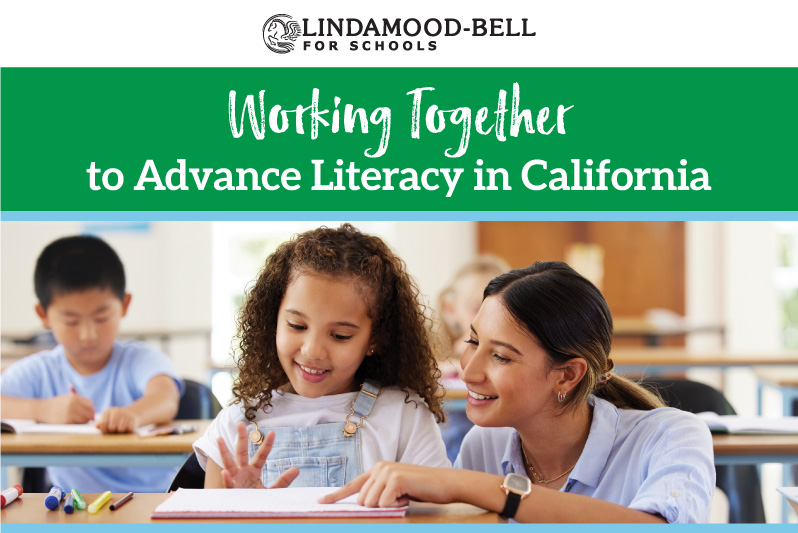
Innovative partnerships. New approaches. Greater opportunities for student success. Forty years ago, Lindamood-Bell started in San Luis Obispo, California, and embarked on a mission to help all students learn to their potential. Today, across California, Lindamood-Bell is collaborating with educators to address one of education’s most persistent challenges: helping students who continue to struggle with…
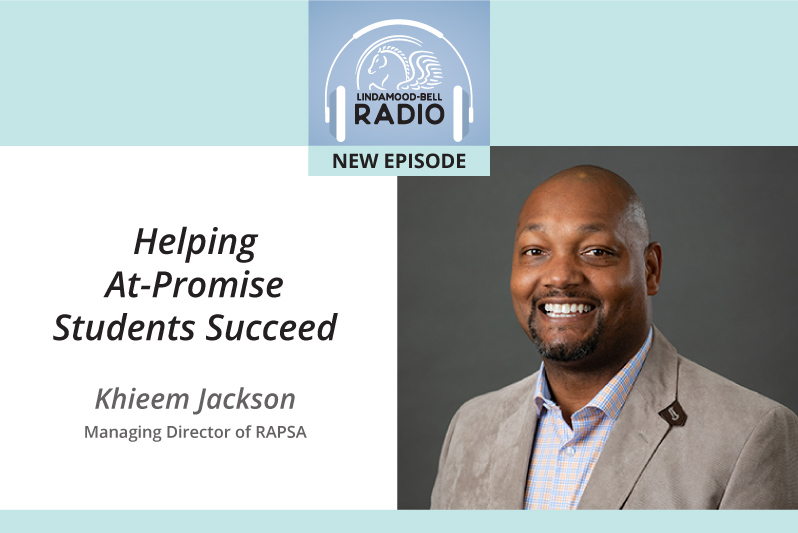
Helping At-Promise Students Succeed – Khieem Jackson, Managing Director of RAPSA
In this episode, we’re joined by Khieem Jackson, Managing Director of the Reaching At-Promise Students Association (RAPSA), to discuss how schools and communities can work together to create opportunities for students to succeed, despite the obstacles they may face. Learn more about RAPSA: https://rapsa.org/

Learning Support That Moves Abroad With Your Family
Living abroad offers children incredible opportunities to experience new cultures, languages, and ways of learning. But for families whose child struggles with reading, dyslexia, comprehension, or math, finding specialized academic support can be challenging. Intervention services vary from country to country, schools use different approaches to identifying learning difficulties, and the resources available at one…
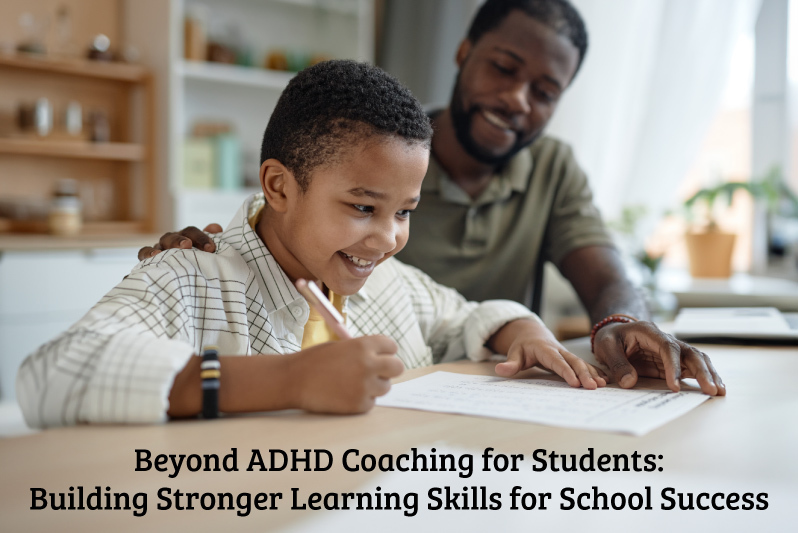
Beyond ADHD Coaching for Students: Building Stronger Learning Skills for School Success
When parents search for ADHD coaching, they’re often looking for help with school. They want their child to complete homework with less frustration, stay organized, follow directions, manage assignments, and become more independent. They want evenings to be less stressful and school to feel more manageable. At Lindamood-Bell, we understand those goals because we’ve worked…
Dyslexia Awareness Month!
October is Dyslexia Awareness Month, and we’re proud to reaffirm our belief that all individuals, including those with a dyslexia diagnosis, can learn to their potential. Watch our video to learn how Lindamood-Bell helps students with dyslexia develop the skills they need for lasting success. Our individualized instruction is available in person and…

A Summer Full of Learning, Growth & Confidence!
Your child deserves school success, whether they need to catch up, hone skills, or get ahead. Lindamood-Bell offers instruction for reading, comprehension, and math tailored to your child’s needs. Your child can attend in-person or online, and recent research shows that our virtual students achieve statistically similar gains compared to in-person students. Students often gain…
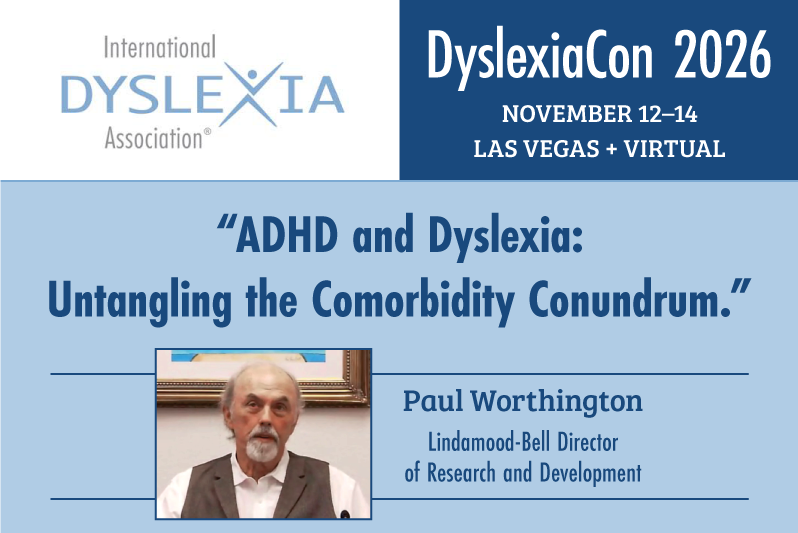
Join Us at the International Dyslexia Association 2026 Annual Reading, Literacy & Learning Conference
Date: November 12–14, 2026 Location: Hyatt Grand Rio – Las Vegas, NV 3700 W Flamingo Rd Las Vegas, NV 89103 DyslexiaCon Registration Attend our presentation, “ADHD and Dyslexia: Untangling the Comorbidity Conundrum,” during DyslexiaCon 2026 — Friday, November 13, 2:40 p.m. If you are unable to attend in person, you may register for virtual attendance…

The Benefits of Reading Every Day
The benefits of reading every day are numerous, impacting various aspects of life for individuals of all ages. Whether your student is immersed in fiction, non-fiction, or poetry, consistent reading enriches their learning experience. The more they read, the more they expand their vocabulary, sharpen their comprehension skills, and gain a deeper understanding of…
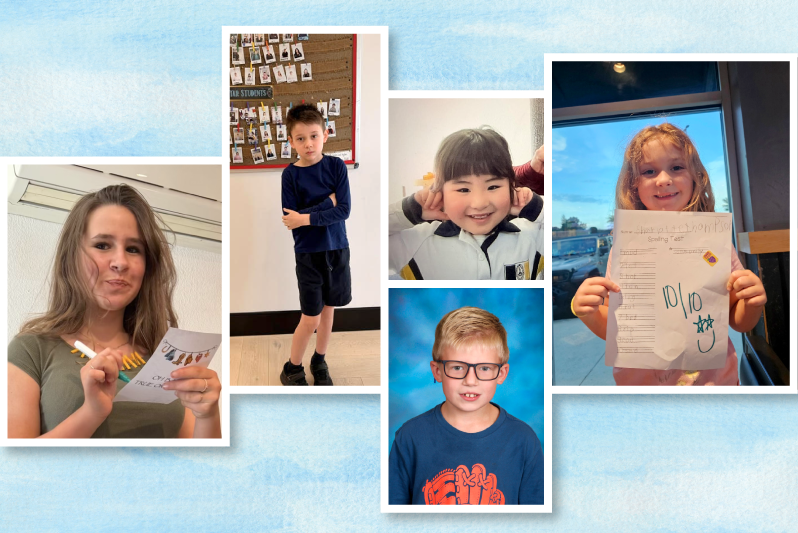
Student Success Stories: When Learning Begins to Change
Watching your child struggle with learning can be hard, and it’s not always easy to know what kind of help will actually make a difference. At Lindamood-Bell, we are committed to providing individuals with the opportunity to learn to their potential. Our instruction is personalized to address each student’s learning needs, with the goal of…
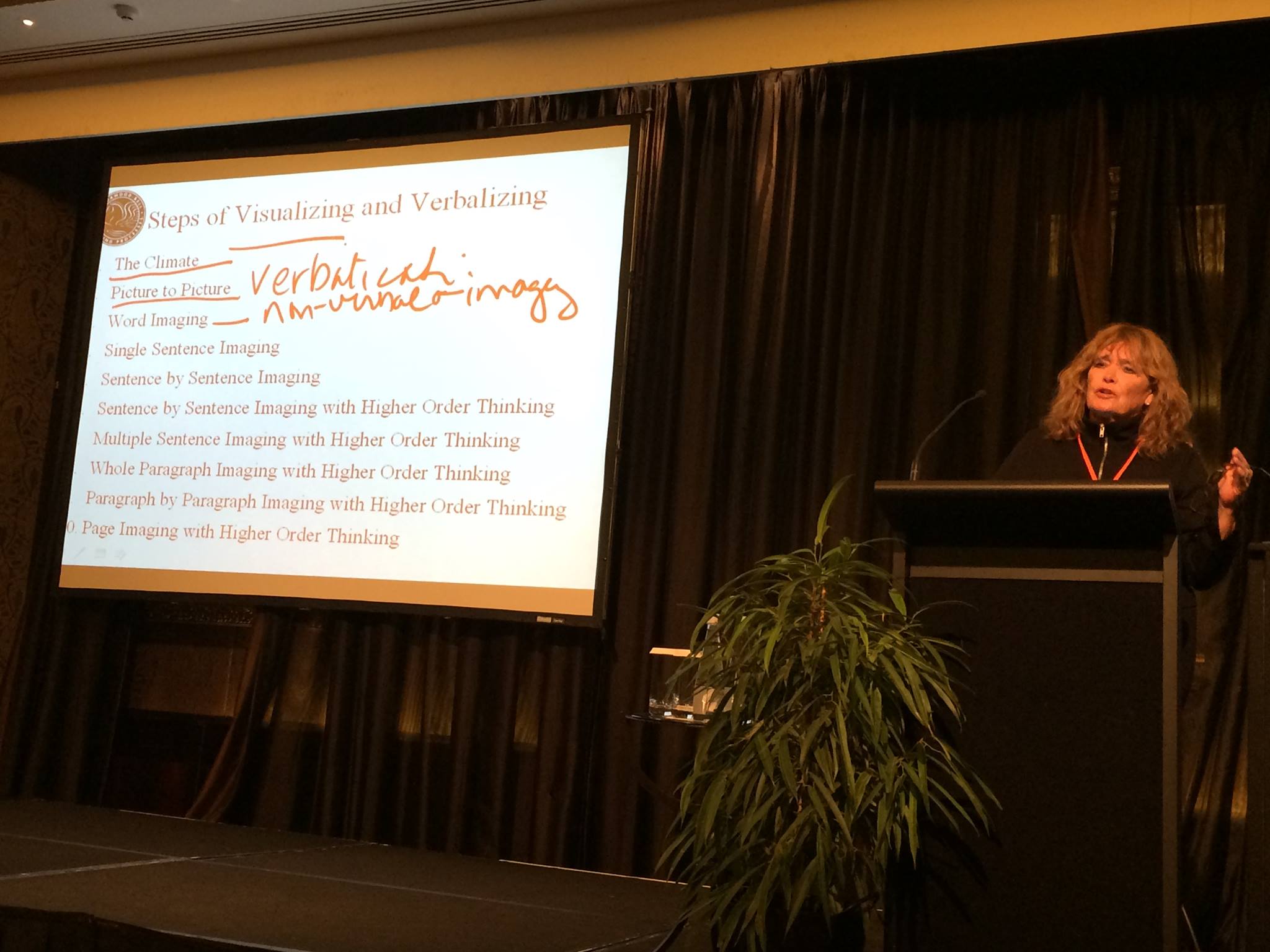
Upcoming Conferences and Presentations
Join Us at the International Dyslexia Association 2026 Annual Reading, Literacy & Learning Conference Attend our presentation, “ADHD and Dyslexia: Untangling the Comorbidity Conundrum,” during DyslexiaCon 2026 — Friday, November 13, 2:40 p.m. Visit the Lindamood-Bell booth in the Exhibit Hall to connect with our team and learn more. Date: November 12-14, 2026…