




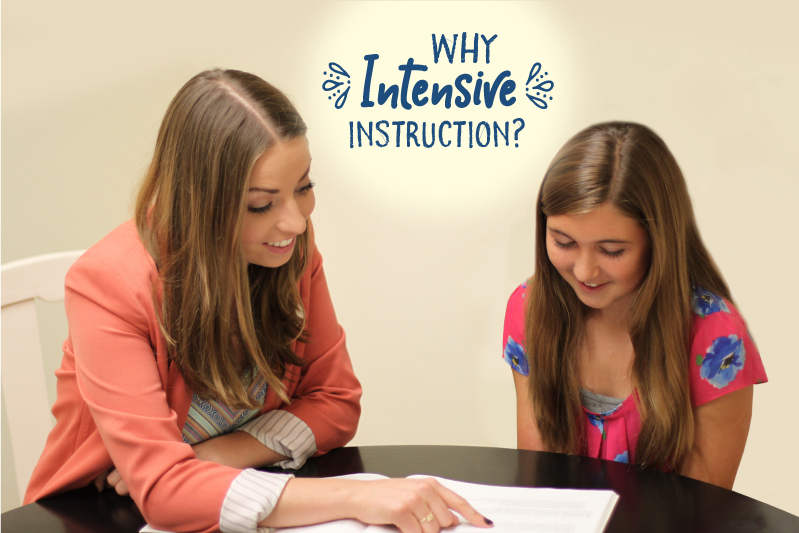
Intensive Instruction: Why it Works—It’s More Than Tutoring
Those who are new to Lindamood-Bell instruction may be more familiar with traditional tutoring and programmes which are generally conducted 1 to 3 hours a week over the course of months or years. Therefore, recommendations for intensive intervention—4 hours/day and 5 days a week—may be a new concept. If your child is having difficulty…

Tips to Help Your Reluctant Reader
Do you have a child who would rather wash the dishes or help with the laundry than read a book? Do you have to beg and plead with them to sit down and read, whether it’s for school or fun? Maybe they even say they “hate reading.” It’s hard to know how to…

4 Tips for Turning Summer Learning Loss Into Summer Learning Gain
If you know a school-aged student … you know someone who is looking forward to the summer holidays! And it seems that students who have any difficulty with learning or academics have even more enthusiasm for the summer holidays than their peers. Spending so many hours a week all school year, doing the thing…

What is Your Plan After NAPLAN?
Our instruction addresses the cause of weakness in literacy, comprehension, and maths. We work directly with students to make school easier. Educators, parents, and practitioners partner with us to help their students reach their learning potential. While we do help students who have a previous diagnosis, such as dyslexia or CAPD, we also…

Understanding Your Child’s School Performance
The end of the marking period is a time for parents to assess their child’s progress—to make sure they’re on track, improving in subjects, or to see if they need help. But how do you decipher your child’s progress based on a simple letter grade? Does a B mean she truly understands History, or is…
October is Dyslexia Awareness Month
For Dyslexia Awareness Month we are sharing our belief that all individuals can be taught to read to their potential—including those who have a previous diagnosis of dyslexia. Over the course of nearly three decades, Lindamood-Bell has worked with thousands of individuals. Sitting with a child or an adult who struggles to read a…

Reading Struggles: 5 Signs
Parents often can see that their child is struggling with reading—especially if there is an older sibling or friend who seemed to, comparatively, breeze through the process. It is not always so clear, however, whether a child has a weakness that needs to be checked out, or if reading simply hasn’t “clicked” for them yet….

Working with Your Child’s Teacher: Tips for a Great New School Year
Between the stacks of sheets to sign and return and the back-to-school night presentations, all the new school year information can become overwhelming. But get beyond the dress codes, hot lunch orders, and school supply lists and you can find valuable information about how to forge a great working relationship with your child’s teacher—open lines…

[Article] The Imagery-Language Connection for Memory: Tips for Teachers
Nearly all the volumes written on memory include references to imagery. Memory is often referred to as a mental impression. When we remember something, we access a mental representation of it. -Nanci Bell, Visualizing and Verbalizing for Language Comprehension and Thinking Students are expected to learn new information, in topic areas they may or…
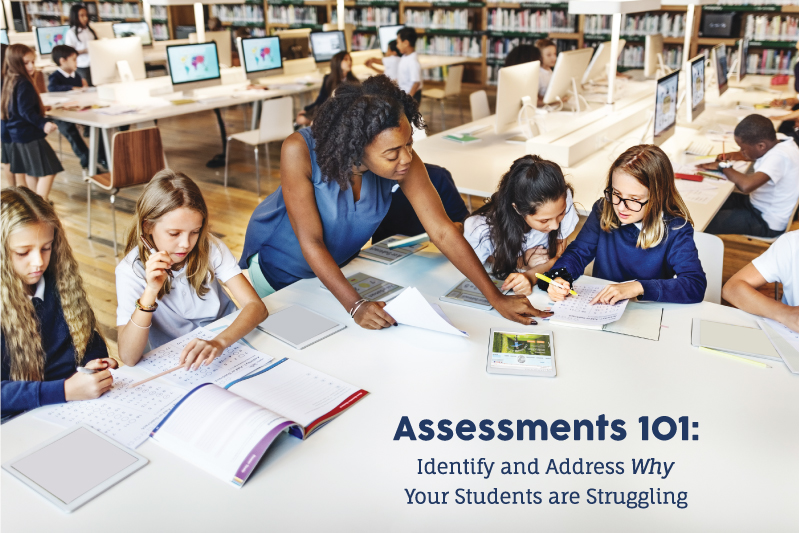
Assessments 101: Identify and Address Why Your Students are Struggling
Students in Tiers II and III can spend years receiving services and still struggle in school. Many of these students lack the basic connections needed for reading and comprehension, and the root cause of their weakness may not be addressed with traditional interventions. This does not have to be the case. We believe…