

post
BLOG AND NEWS

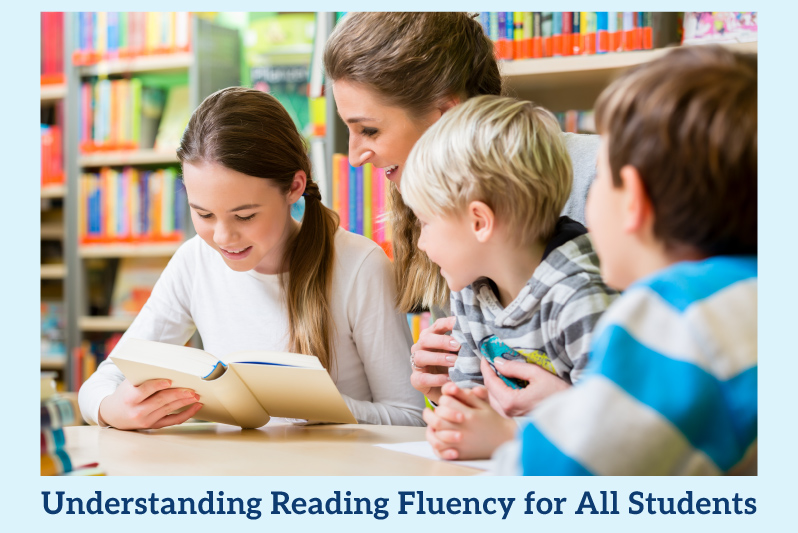
Understanding Reading Fluency for All Students
Nov 7, 2025


Reading fluency is essential for making reading both enjoyable and meaningful. Fluent reading begins with a strong foundation in decoding and vocabulary. When students develop and strengthen the sensory-cognitive skills that are the foundation of reading fluency, they read more accurately and build confidence in their abilities.

Lindamood-Bell provides educators with evidence-based instructional programs that have been proven to develop and strengthen reading fluency. Our approach focuses on building symbol imagery. Symbol imagery is the ability to visualize sounds and letters in words and is the basis for orthographic awareness, phonemic awareness, word attack, word recognition, spelling, and contextual reading fluency.  


Understanding Reading Fluency

Reading fluency refers to reading text accurately, smoothly, and with expression that reflects meaning. It includes three essential elements: accuracy, rate, and prosody, which is the natural rhythm and tone of reading. Strong reading fluency enables students to focus on understanding the text rather than decoding each word, increasing motivation and building confidence.

Challenges in reading fluency often come from weak symbol imagery and limited word recognition. Symbol imagery is the foundation of accurate and efficient decoding. By developing the ability to visualize letters and words in their minds, students strengthen word recognition, improve accuracy, and build the automaticity needed for fluent reading.


Symbol Imagery: The Foundation of Reading Fluency
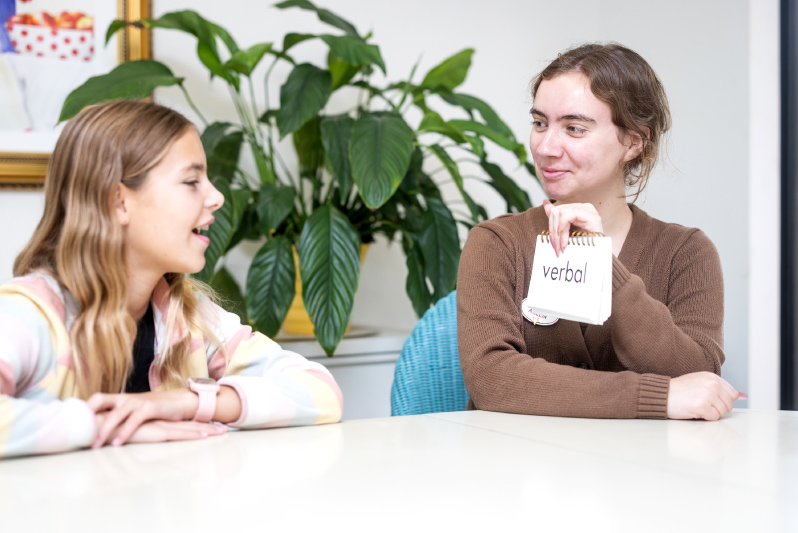
Reading fluency builds on a strong foundation in decoding and symbol imagery. The Seeing Stars® program, developed by Nanci Bell, helps students develop these skills by focusing on symbol imagery, which involves the ability to auditorily perceive the sounds and mentally image the letters in words. This processing supports the development of word attack, word recognition, spelling, reading accuracy and fluency, and reading comprehension. Nanci Bell explains, “The automaticity of symbol imagery allows for rapid processing and quick self-correction…and because the processing is not laborious and time consuming, an individual’s reading fluency is maintained and guessing is reduced.”

Seeing Stars develops symbol imagery through structured, multi-sensory exercises, including air writing and other techniques. These activities help students:

  • Improve Word Attack and Word Recognition: Students can identify words more quickly and automatically, reducing the effort needed to decode. 
  • Develop Automaticity: As word recognition becomes automatic, reading fluency naturally improves. 
  • Enhance Accuracy: Accurate decoding is reinforced through targeted activities, creating a strong foundation for fluent reading.

Teachers can support reading fluency using strategies aligned with Seeing Stars:

  • Develop symbol imagery: Engage students in activities that help them visualize the sounds and letters in words and recognize spelling patterns. Multi-sensory exercises like air writing strengthen the mental connection between letters, sounds, and words. 
  • Guided oral reading: Have students read short, meaningful passages aloud while focusing on accuracy and expression. This practice reinforces symbol imagery and builds fluency through repeated, supported practice. 
  • Provide immediate feedback: Reinforce accurate decoding and expressive reading through structured feedback. Seeing Stars lessons provide consistent, guided practice to support steady growth in reading fluency.

These strategies help students practice reading fluency with intention and confidence. The focus is on understanding and connecting with the text, rather than just reading faster.


Incorporating Fluency Strategies in the Classroom

Classrooms that foster reading fluency provide students with structured, meaningful opportunities to practice decoding and build strong symbol imagery. Integrating Seeing Stars-based strategies into daily lessons helps students develop accurate, expressive, and confident reading habits.

  • Guided reading sessions: Use short passages that give students opportunities to recognize sight words and strengthen decoding skills. Practicing symbol imagery in this way helps students read more automatically, improving accuracy and overall fluency.
  • Expressive reading practice: Have students read aloud, focusing on clarity and rhythm. 
  • Positive feedback and celebration: Recognize progress in decoding accuracy, expression, and fluency. Providing immediate feedback and celebrating achievements motivates students to continue strengthening their reading fluency.

By consistently connecting symbol imagery to reading practice, classrooms create an environment where students build fluency with purpose, confidence, and understanding.


Supporting Diverse Learners with Symbol Imagery Instruction

Students can develop reading fluency when instruction targets the skills that underlie fluent reading. Students with dyslexia or other reading challenges benefit from approaches that strengthen symbol imagery for decoding.

At Lindamood-Bell, Seeing Stars provides multi-sensory instruction that engages visual, auditory, and kinesthetic pathways. Students practice connecting letters to sounds, visualizing words, and forming mental images of letters and words. This structured, evidence-based approach improves word recognition, accuracy, and automaticity, helping students read smoothly and expressively.


Measuring Progress in Reading Fluency

Tracking student progress ensures that reading fluency instruction is effective and responsive. Teachers can use formal assessments, informal observations, and guided oral reading to evaluate the accuracy, rate, and expression of students’ reading skills. Assessments provide insight into where support is needed. Setting achievable goals and celebrating progress keep students motivated and ensure steady growth in reading fluency.


Professional Development Workshops at Lindamood-Bell
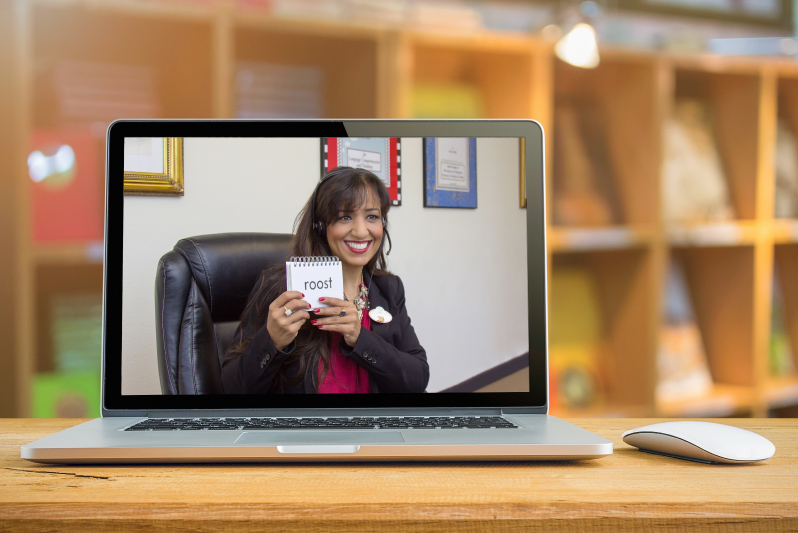
Lindamood-Bell is committed to equipping educators with effective reading fluency techniques through our interactive, online professional development workshops. These workshops are grounded in evidence-based practices, helping teachers create inclusive learning environments that cater to diverse needs. Our Seeing Stars workshop provides instructional tools for building decoding, symbol imagery, and expressive reading skills.

Educators learn to strengthen symbol imagery for students, laying the foundation for fluent, confident reading. Guided by experienced instructors, participants develop strategies to create inclusive and engaging classrooms where all students can cultivate reading fluency and a lifelong love of reading.

To learn more about how Lindamood-Bell can support literacy instruction, explore our professional development opportunities, and discover how research-based strategies can enhance reading fluency for every student.

Get in touch to find out how Lindamood-Bell can transform your approach to reading instruction and improve student learning experiences.

 

Connect with us
🎉 40 Years of Changing Lives Through Learning

Our next milestone takes us across the globe!

🌏 1996: Our first international Seasonal Learning Center opens in Sydney, Australia.

This milestone meant more students and families could experience Lindamood-Bell instruction, helping students strengthen their reading skills and learn to their potential.

Follow along as we celebrate 40 years of changing lives through learning and the milestones that brought us here.

Learn more about Lindamood-Bell at the link in our bio, @lindamoodbellofficial.
🎉 40 Years of Changing Lives Through Learning

Our journey through 40 years of Lindamood-Bell continues with a milestone from 1993.

1993: The first Lindamood-Bell International Conference is held in Shell Beach, California.

In addition to program workshops, attendees had the opportunity to hear from professionals and scholars in the fields of learning, literacy, and cognition. Over the years, our International Conference has featured influential voices such as Allan Paivio, Jane Healy, and Temple Grandin, among many others.

Follow along as we continue celebrating 40 years of changing lives through learning and sharing the milestones that brought us here.

Learn more about Lindamood-Bell at the link in our bio, @lindamoodbellofficial.
🎉 40 Years of Changing Lives Through Learning

Our look back at 40 years of Lindamood-Bell continues with another milestone from 1992.

🏢 In 1992, Lindamood-Bell partnered with Motorola on a workplace literacy project designed to strengthen reading and comprehension skills for manufacturing associates and engineers. The project brought our approach to adult learners in a new setting and reflected something we still believe today: learning can happen at any age.

Follow along as we continue celebrating 40 years of changing lives through learning and sharing the milestones that brought us here.

To learn more about Lindamood-Bell click the link in our bio, @lindamoodbellofficial.
Attention Educators: Free Leaders in Literacy Webinar

Join Lindamood-Bell for Deeper than SoR: How One District Closed Gaps and Exited Students from Special Ed

📅 October 7, 2026 | 11 am PT / 2 pm ET / 7 pm BST

Hear how Madeira City Schools moved beyond scripted phonics instruction to build educator expertise, strengthen intervention, and improve outcomes for struggling readers and students receiving special education services.

Register now and bring practical insights back to your classroom, school, or district - Follow the link in our bio, @lindamoodbellofficial.
🎉 40 Years of Changing Lives Through Learning

Our next milestone takes us to 1992!

📍 1992: First Learning Center outside of San Luis Obispo opens in Sacramento, California

Six years after Lindamood-Bell was founded, we expanded beyond our San Luis Obispo roots with the opening of a Learning Center in Sacramento.

It was an important step in our growth, bringing Lindamood-Bell’s one-to-one, individualized instruction to more students and families.

Follow @lindamoodbellofficial as we celebrate 40 years of changing lives through learning and revisit the milestones that shaped our story. ❤️

Learn more at the link in our bio.
🎥 Now Available On-Demand: Online Instruction That Actually Works

When you think of online learning, you might picture large virtual classrooms where it can be difficult for students to stay engaged. Lindamood-Bell online instruction is a different experience: live, one-to-one instruction with individualized support and active student engagement.

See what an online session actually looks like and learn about the research and results behind our reading instruction.

👉 Watch the recording at the link in our bio, @lindamoodbellofficial.
🎉 40 Years of Changing Lives Through Learning
As we continue looking back at the milestones that have shaped Lindamood-Bell, we’re returning to where it all began.

📖 1986: Nanci Bell publishes Visualizing and Verbalizing®

The same year Lindamood-Bell Learning Processes was founded, co-founder Nanci Bell published Visualizing and Verbalizing for Language Comprehension and Thinking®, introducing an approach designed to develop concept imagery, the ability to create an imaged gestalt from language.

The program grew from Nanci’s work with students who could read words but struggled to understand, remember, and think critically about what they read.
Today, Visualizing and Verbalizing® remains central to our approach to developing language comprehension and higher-order thinking skills.

Follow @lindamoodbellofficial as we celebrate 40 years of changing lives through learning. ❤️
Learn more at the link in our bio.
🎧 New Podcast Episode!

Lindamood-Bell for Schools Director of Development Dave Kiyvyra speaks with Winifred Winston and LeDerick Horne from the Black and Dyslexic podcast about the dyslexia identification and support gap.

They explore disparities in dyslexia identification, limited access to effective reading instruction in many communities, and the challenges families face in understanding and securing the support their children need.

Listen and subscribe at the link in our bio, @lindamoodbellofficial.
📚 When should kids start reading?

Our latest blog article explores typical reading milestones, signs of readiness, the foundational skills that support reading and comprehension, and when additional support may be helpful.

👉 Read “When Should Kids Start Reading? Age Guidelines, Readiness Signs, and How to Help.” Follow the link in our bio, @lindamoodbellofficial.
🎉 40 Years of Changing Lives Through Learning

This year marks a very special milestone for Lindamood-Bell: 40 years!

Over the coming weeks, we’ll be looking back at some of the milestones that have shaped our story. From our beginnings in 1986 to the work we do today, there is so much to celebrate.

And where better to begin than at the beginning?

📷 1986: Lindamood-Bell Learning Processes is founded.

Pat Lindamood and Nanci Bell co-founded Lindamood-Bell with a shared belief that all students can be taught to read to their potential. From the beginning, our approach was grounded in the understanding that reading is a sensory-cognitive process and that the underlying skills can be developed.

What began 40 years ago has grown into a journey we’re excited to revisit and share with you.

Follow @lindamoodbellofficial as we celebrate 40 years of changing lives through learning and share more milestones from our story.

For more information about Lindamood-Bell, visit the link in our bio. ❤️
Considering online homeschooling for your child? There’s a lot to think about beyond curriculum and flexibility.

How will instruction be personalized? Will your child have live interaction with teachers? What kind of support and school community will they have? And will the program help strengthen the learning skills they need to succeed?

Our new guide explores what families should consider when comparing online homeschool programs and how Lindamood-Bell Academy approaches learning from home.

Read Online Homeschool Programs: A Guide for Families at the link in our bio, @lindamoodbellofficial.
New Podcast Episode!
Tom Mendoza, Co-Director of Lindamood-Bell for Schools, and Deci Douroux, Professional Development Mentor Presenter, explore how developing concept and numerical imagery can help close math achievement gaps.
They discuss a three-step instructional approach that moves students from hands-on experiences with manipulatives to imagery and language, then to computation and problem-solving. Learn how this approach can support stronger number sense, mathematical reasoning, and confidence.
Listen and subscribe at the link our bio, @lindamoodbellofficial
What’s the difference between Lindamood-Bell and Orton-Gillingham?

Our latest blog article explores the similarities and key differences between these approaches, including Lindamood-Bell’s emphasis on developing the sensory-cognitive processes that underlie reading, spelling, and comprehension.

Read the full article at the link in bio, @lindamoodbellofficial.
Request Information

Request Information

When you complete our form, we'll send you to our digital information packet and reach out to you shortly.
You may also call us at

Schedule a Learning
Ability Evaluation

Please fill out the form and we will be in touch to schedule an evaluation.