





Understanding how autism impacts learning is essential for creating an inclusive educational environment. Autism Spectrum Disorder (ASD) presents unique challenges and strengths that can influence a student’s ability to learn. While some individuals with autism excel in specific areas, they may encounter obstacles in others, affecting their engagement and progress in traditional learning settings. By exploring how autism influences learning abilities, parents and educators can better support these students through tailored strategies and interventions.
Understanding Autism Spectrum Disorder

Autism Spectrum Disorder (ASD) is a complex neurodevelopmental condition that affects individuals’ cognition, communication, interaction, and perception of the world. It is characterized by challenges in education, social skills, repetitive behaviors, and varying degrees of sensory sensitivities. Each individual with ASD experiences these characteristics differently. Some may demonstrate exceptional abilities in areas like mathematics, art, or memory, while others may face difficulties with everyday tasks.
Because autism exists on a spectrum, there is no one-size-fits-all approach to learning for individuals with ASD. However, there are fundamental cognitive processes that must be developed. Educators and caregivers need to adopt core cognitive brain processes for learning along with individualized life strategies that meet each student’s unique needs. Recognizing their need for solid cognitive learning instruction and allowing for their diversity is key to providing effective support and ensuring that students with autism can thrive.
How Autism Influences Learning Abilities

Students with autism often display distinct cognitive strengths and challenges. While many excel in tasks requiring attention to detail, pattern recognition, or logical thinking, they may struggle with language comprehension, executive functioning, problem-solving, and social cognition. These difficulties can impact their ability to process information and succeed in a conventional classroom setting.
Sensory sensitivities can further complicate learning. Many individuals with autism experience heightened or diminished sensory responses, making it difficult to focus in environments with loud noises, bright lights, or chaotic surroundings. Adjusting quiet spaces and soft lighting to create a sensory-friendly atmosphere can significantly improve engagement and learning outcomes.
Additionally, some students with autism may have difficulty forming mental representations of information, a condition associated with language comprehension deficits. While individuals with ASD may have domain-specific visual imagery abilities, they may also have a lack of wholistic visual imagery necessary for general cognition. Such a deficit can hinder their understanding of concepts across a broad range of educational demands.
The Role of Parents and Educators in Supporting Learning

It’s important to assess each child’s strengths and weaknesses to effectively support learning. Understanding individual learning profiles allows parents and educators to identify areas where a child excels and those learning profile-derived areas requiring additional support. Regular professional learning assessments and open communication between home and school help build a comprehensive understanding of the child’s unique needs, paving the way for tailored interventions and accommodations that enhance learning outcomes.
Creating a supportive learning environment is crucial for children with autism, as it significantly influences their ability to engage socially, succeed educationally, and generally thrive in life. Parents and educators can collaborate to establish a space that reduces distractions, incorporates sensory-friendly elements, and promotes positive reinforcement. This nurturing atmosphere fosters confidence and encourages a love of learning, which is essential for children on the autism spectrum.
At Lindamood-Bell, where concerns about the language and cognitive processing abilities of a child with autism may be addressed, a learning ability evaluation can help identify the strengths and challenges in your child’s learning profile. It is the first step in helping your child find support for learning difficulties.
Accurate diagnostic information and personalized support through evidence-based instruction are key to addressing the diverse needs of children with autism. The Visualizing and Verbalizing program develops oral and written comprehension and critical thinking using neuroscientifically derived research techniques. By implementing targeted interventions, parents and educators can promote academic achievement and foster a sense of independence. Ultimately, collaborative efforts between parents, educators, and specialized programs create a roadmap for success, empowering children with autism to thrive in their educational journeys.
Support for Students with Autism at Lindamood-Bell

At Lindamood-Bell, we understand that autism can impact learning in various ways. Our individualized instruction is designed to build the foundational skills necessary for effective learning. We recognize that each student with autism has unique strengths and challenges, and we tailor our approach to meet their specific needs.
A key component of our instruction is the development of concept imagery, which is the mental representation of oral and written language. This skill is essential for memory and comprehension and its development can significantly develop cognition for students on the autism spectrum. By improving their ability to create mental images of what they are learning, students can better understand and retain information.
Research supports the effectiveness of the Visualizing and Verbalizing program in improving learning outcomes for individuals with autism. This program develops the ability to visualize concepts and applies that to expressive language and critical thinking skills, helping students develop the sensory-cognitive skills they need for language processing.
At Lindamood-Bell, we are committed to providing a supportive environment where students with autism can thrive.
Improving Comprehension for Students with Autism
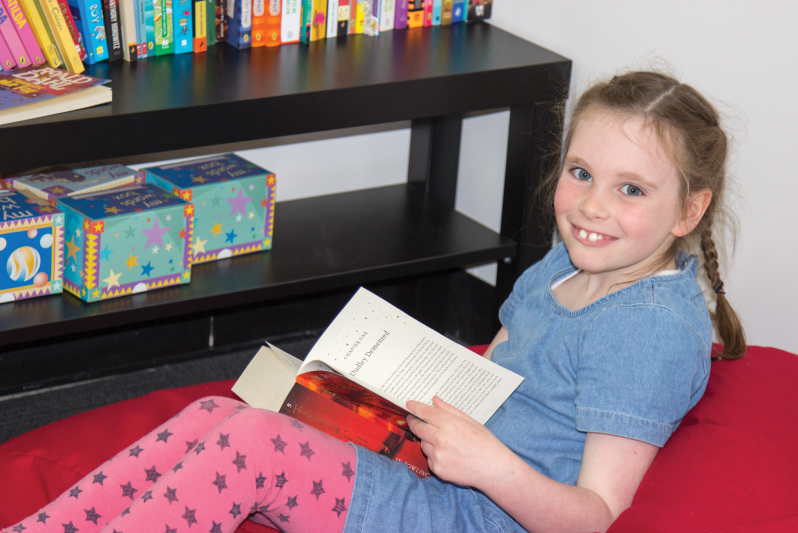
At Lindamood-Bell, students receive individualized instruction using one or more of our founders’ evidence-based programs. The Visualizing and Verbalizing (V/V) program develops concept imagery—the ability to create an imaged gestalt from language—as a basis for comprehension and higher-order thinking. The development of concept imagery improves reading and listening comprehension, memory, oral vocabulary, critical thinking, and writing. Visualizing and Verbalizing® (V/V®) addresses the comprehension needs of students diagnosed with autism.
The following shows the pre- and post-instruction performance of all students with an autism diagnosis who received Visualizing and Verbalizing instruction at Lindamood-Bell between 2008 and 2023. These students experienced large (statistically significant) improvements in all comprehension subtests after receiving Visualizing and Verbalizing instruction.
Students with a Prior ASD Diagnosis Who Received Comprehension Instruction Only

Average Age: 12.1
Number of Students: 1,085
Average Hours of Instruction: 132.5
Program Implemented: Visualizing and Verbalizing
Peer-Reviewed Research on Autism
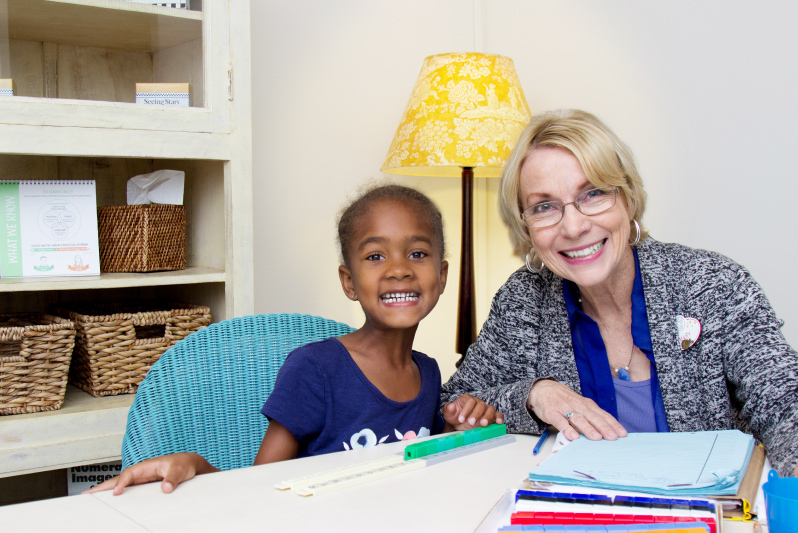
The Cognition, Brain, and Autism (CBrA) Lab at the University of Alabama collaborated with Lindamood-Bell Learning Processes to study the comparative effects of Visualizing and Verbalizing (V/V) on the brains of children on the Autism Spectrum. This fMRI study, highlighted in several peer-reviewed papers, examined activity in the brain’s language areas during comprehension tasks.
Dr. Rajesh Kana, the head of the study, reported that “V/V resulted in changing brain response patterns in children with autism—more focused, specialized brain activity and functional connectivity as a result of intervention.” Associated significant increases in language comprehension were noted against matched controls.
Success in Learning for Students with Autism
At Lindamood-Bell, we recognize that every student with autism has unique learning needs. Our instructional strategies are designed to build foundational skills in literacy and comprehension, creating pathways for academic and social growth. By targeting the underlying learning processes, we empower students to gain the confidence and abilities necessary to thrive.
A shining example of this success is Logan, a student with autism. Logan made significant progress in his literacy skills through live online instruction at Lindamood-Bell, gaining newfound confidence. Hear his mother share their inspiring story:
If you’re seeking support for a child or individual with autism, Lindamood-Bell can help. Our dedicated team offers personalized instruction tailored to each student’s strengths and challenges. Contact us today to learn how our instruction can foster meaningful learning success.
Get in touch or call 800-233-1819 to learn more.
 ×
×